

Key Takeaways
-
Dark web monitoring for email breach exposure is an ongoing process that scans dark web sources and alerts security teams when organization email addresses appear. One-time historical lookups only show past events.
-
Alerts show that an email address appeared in breach dumps, combolists, or ransomware leak sites. They do not confirm account compromise or attacker access on their own.
-
Free tools like Have I Been Pwned and Mozilla Monitor provide historical breach data. They lack real-time monitoring, domain-level coverage, and managed takedown that businesses require.
-
Effective response starts with fast password changes and multi-factor authentication (MFA), then checks for password reuse, phishing, and internal escalation for business domains.
-
Cyble Vision delivers continuous monitoring across more than 15,000 darknet marketplaces with entity resolution, security information and event management (SIEM) and security orchestration, automation and response (SOAR) integration, and native managed takedown to turn alerts into resolved incidents.
Talk to Cyble about monitoring your domain
The Problem: What It Means When Your Email Appears On The Dark Web
An email address in a dark web alert means the address exists in a dataset now circulating in criminal markets. The alert does not prove the associated account has been compromised or that an attacker has used the credential.
Three source types generate most alerts. First, credential dumps are large collections of username-and-password pairs taken from a breached service and posted or sold on dark web forums. Second, combolists are aggregated username-and-password lists traded in bulk, assembled from many prior breaches and formatted for automated credential stuffing. Third, ransomware leak sites are sites ransomware groups use to publish stolen data and pressure victims into paying, and these often include employee email addresses and internal documents as proof of access.
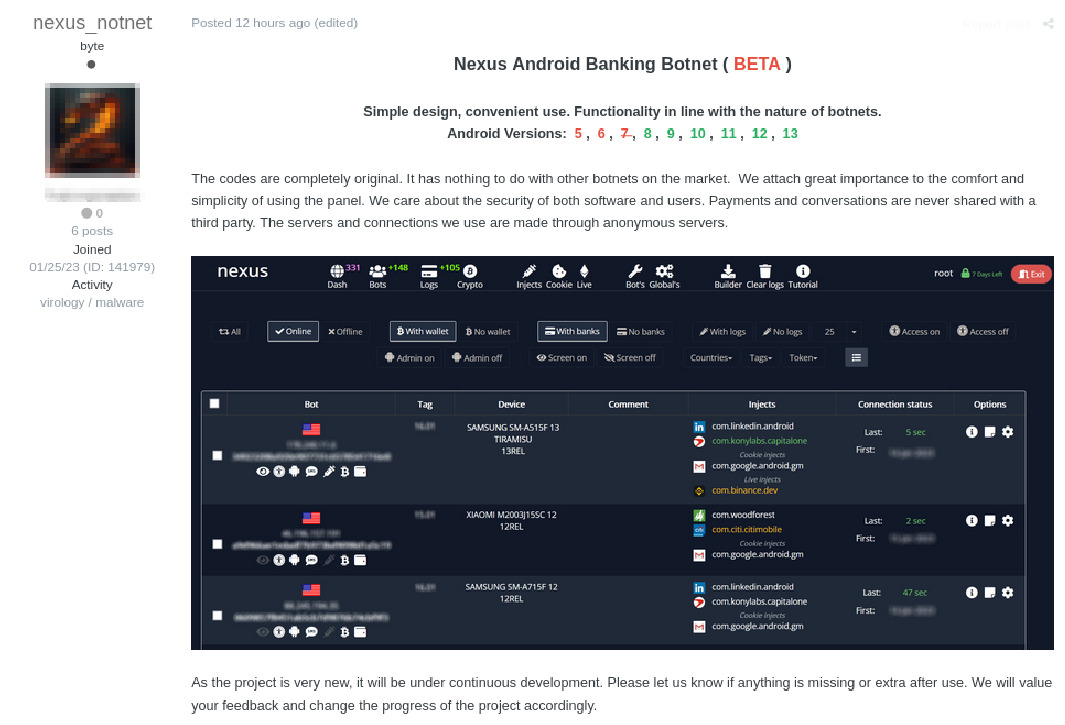
A well-formed exposure alert identifies the email address, the source or breach name where known, the approximate date of collection, and often a password fragment or hash. Privacy Insight Solutions notes that a useful alert should explain which data matched, from which source, with which date, and how certain the match is. A risk score alone is insufficient. The presence of a plaintext password, a session cookie, or a login URL in the record raises urgency far above a bare email address match.
For business domains, the stakes are higher. Verizon’s 2025 Data Breach Investigations Report found that 54% of ransomware victims had their domains appear in credential dumps, and 40% had corporate email addresses in compromised credential sets. A single exposed employee login can become the entry point for a network-wide intrusion.
Real Limits Of Dark Web Monitoring And Free Tools
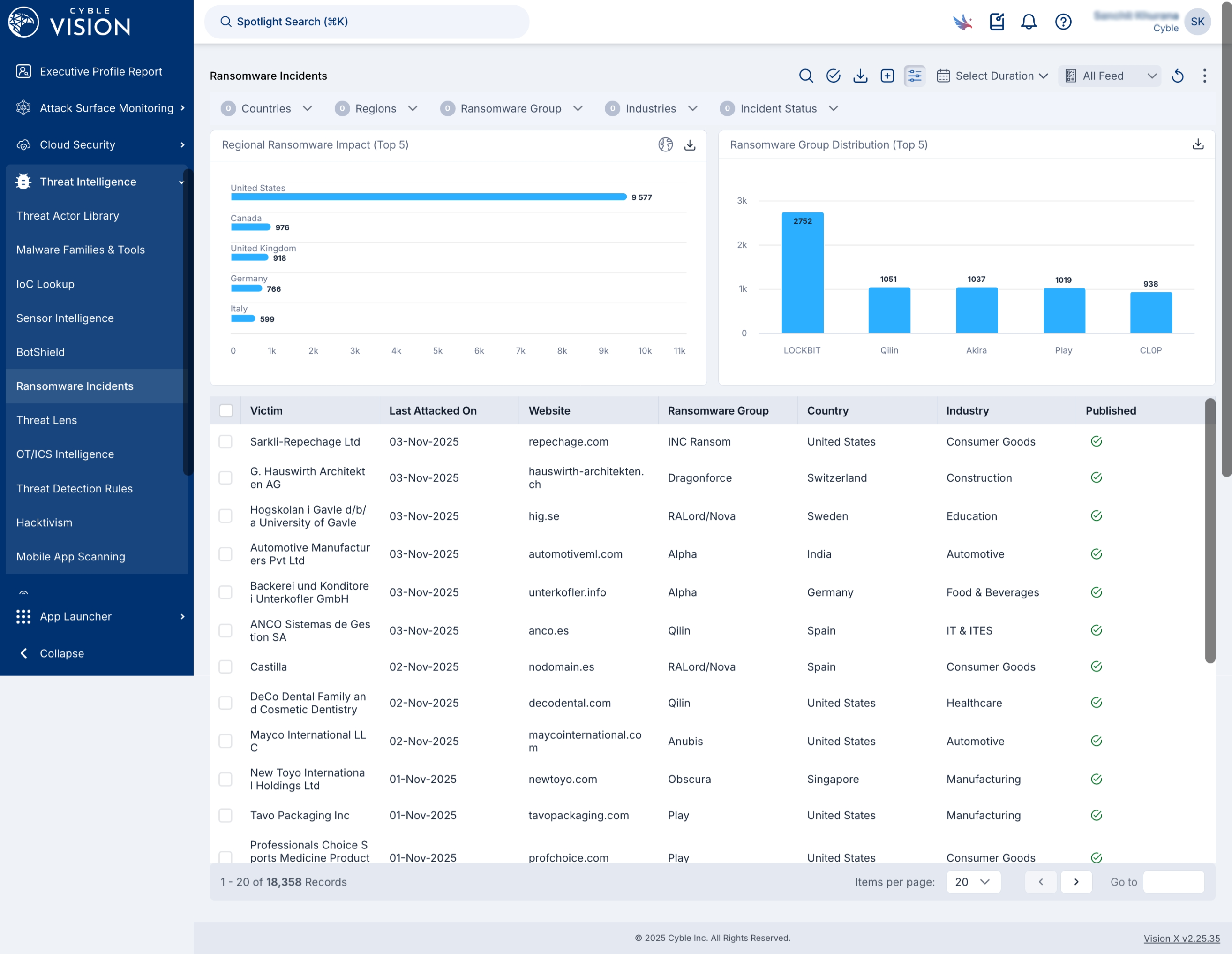
Dark web monitoring functions as detection after data theft. It identifies exposure after attackers have already taken and possibly circulated the data. Monitoring cannot provide complete visibility because private, invitation-only, encrypted forums, direct criminal transactions, and data held privately by attackers may be inaccessible or not yet indexed.
A clean result confirms only that the service found no match in its accessible corpus at that time. Different providers produce different results for the same email address because their datasets, collection methods, source access, and update schedules differ. As Dexpose explains, no single tool indexes everything. Dark web data is fragmented across thousands of forums, marketplaces, paste sites, and private channels.
Monitoring also reacts to events that already happened. IBM’s 2025 Cost of a Data Breach Report found the average breach lifecycle runs 241 days. Stolen data can circulate for months before any monitoring service indexes it. The window between a credential appearing on a dark web forum and the first credential stuffing campaigns often measures in hours.
Free tools focus on historical breaches. These tools provide useful starting points; they act as snapshots of known breaches. The next section explains where those snapshots fall short for business use.
Managed takedown adds the action layer that monitoring alone cannot supply. Detection without removal leaves the exposure in place. The gap between knowing and acting is where damage accumulates. For organizations that need both detection and removal in a single vendor motion, that capability distinction becomes the most important evaluation criterion. The next question is whether a free tool can deliver any of this, and for most businesses, three structural gaps appear.
See how Cyble handles detection and takedown
Free Vs. Paid Dark Web Monitoring: What You Actually Get
Free dark web monitoring exists and works well for some use cases. Have I Been Pwned and Mozilla Monitor are the most credible free options. Both are cited by government cybersecurity agencies and cover publicly disclosed breach data. For an individual with a personal email address, no regulatory exposure, and unique passwords already in use, these tools provide meaningful early warning at no cost.
The decision framework changes when any of these conditions apply. The organization has a business email domain with multiple employees. It handles customer personally identifiable information (PII) or regulated data. It operates in a sector actively targeted by threat actors such as financial services or healthcare. It needs to integrate credential exposure findings into a SIEM or incident response workflow. In those cases, free tools show three structural gaps.
First, coverage. Free tools query known public breach databases and generally do not cover stealer logs, private Telegram channels, invite-only forums, or real-time marketplace listings. According to Constella Intelligence research, the median time from infostealer infection to dark web marketplace listing is under 48 hours. Free tools cannot reliably close that window.
Second, domain-level monitoring with entity resolution. Generic keyword monitoring produces noise. A search for a company name surfaces every mention of that string across the internet, including irrelevant results and references to similarly named organizations. Entity resolution, which automatically determines that an obfuscated or cross-language reference refers to the same organization, separates actionable alerts from alert fatigue. As noted in a 2026 dark web monitoring tools analysis, free tools cannot watch an entire domain and map exposures to individual employees, score alert severity, or push resets into an identity provider.
Third, response integration. A paid platform that integrates with existing SIEM, SOAR, and ticketing systems converts an alert into a tracked work item. A free tool that emails a notification to an inbox that nobody monitors has limited operational value regardless of its detection accuracy.
The Reddit-flagged gap, which is work-email and domain-level monitoring, remains underserved by consumer-grade tools. An organization with 200 employees cannot manually check each address against Have I Been Pwned. It cannot monitor for obfuscated references to its domain in Russian-language forums or correlate a credential exposure with whether the affected account belongs to a privileged user. That scenario is where domain-level monitoring with entity resolution and managed takedown becomes necessary.
For a deeper look at how dark web credential monitoring works at the technical level, see Dark Web Credential Monitoring: How It Works.
The Response Runbook: What To Do When You Get A Dark Web Alert
An email breach exposure alert is a security event with a time-to-respond clock. The following five steps apply immediately after you receive one.
-
Change the password on the affected account immediately. The exposed credential is the active risk. Replacing it closes the most direct attack path whether the alert reflects a historical or recent breach.
-
Enable multi-factor authentication (MFA) using an app or hardware key. CISA and the Federal Bureau of Investigation (FBI) joint guidance advises against SMS as a second factor. Authenticator apps and hardware keys resist phishing and SIM-swapping attacks that SMS cannot block.
-
Check for password reuse across other services and change those too. According to Google data cited by Dexpose, 65% of people reuse the same password across multiple accounts. A single exposed credential can therefore unlock several accounts.
-
Watch for phishing that references the breach. The UK National Cyber Security Centre (NCSC) advises that criminals use exposed information to craft convincing phishing campaigns that name the employer, role, or a service the target genuinely uses. Verify any unexpected contact through independently obtained details.
-
Escalate internally if the address uses a business domain. A single compromised work credential can enable lateral movement, business email compromise (BEC), or ransomware deployment. The affected employee’s IT or security team needs to know quickly so access logs can be reviewed and sessions revoked.
The architectural principle behind effective response is speed without human bottlenecks. When detection, entity resolution, enrichment, and alerting all run without a human in the loop, the full path from external exposure to actionable alert can resolve in under 30 minutes. That window allows password resets and stronger authentication before attackers weaponize credentials. This describes what a fully automated pipeline can achieve rather than a guaranteed service level for every deployment.
For a complete technical walkthrough of how this pipeline operates, see How Dark Web Monitoring Works: Full Pipeline, Step By Step.
Business Domains: Where Cyble Vision Fits
For a business email domain, the response to an exposure alert extends beyond a password reset. Security teams need to identify which employees are affected. They must determine whether any exposed credentials map to privileged accounts such as domain administrators or cloud identity and access management (IAM) administrators. They also need to understand whether the exposure links to an initial access broker, who breaks into an organization and resells that access, or to a ransomware group known to buy from such brokers.
Generic keyword monitoring cannot answer these questions. It surfaces every mention of a company name string without resolving whether the reference is to the monitored organization, a similarly named entity, or an obfuscated alias in a foreign-language post. Entity resolution, the automated process of determining that ACME_b@nk and acmebank in a Russian-language forum post refer to the same organization, converts raw dark web data into an actionable alert about a specific company’s exposure.
Cyble Vision addresses this use case directly. Continuous monitoring across surface, deep, and dark web surfaces exposures in hours rather than weeks. It covers more than 15,000 darknet marketplaces and reports a 95% signal-to-noise ratio. When a business domain credential appears in a stealer log, a combolist, or a ransomware leak site, Cyble Vision resolves the finding to the affected organization. It then scores the finding against that organization’s attack surface, enriches it with source and threat actor context, and delivers an alert into the workflow the security team already uses.
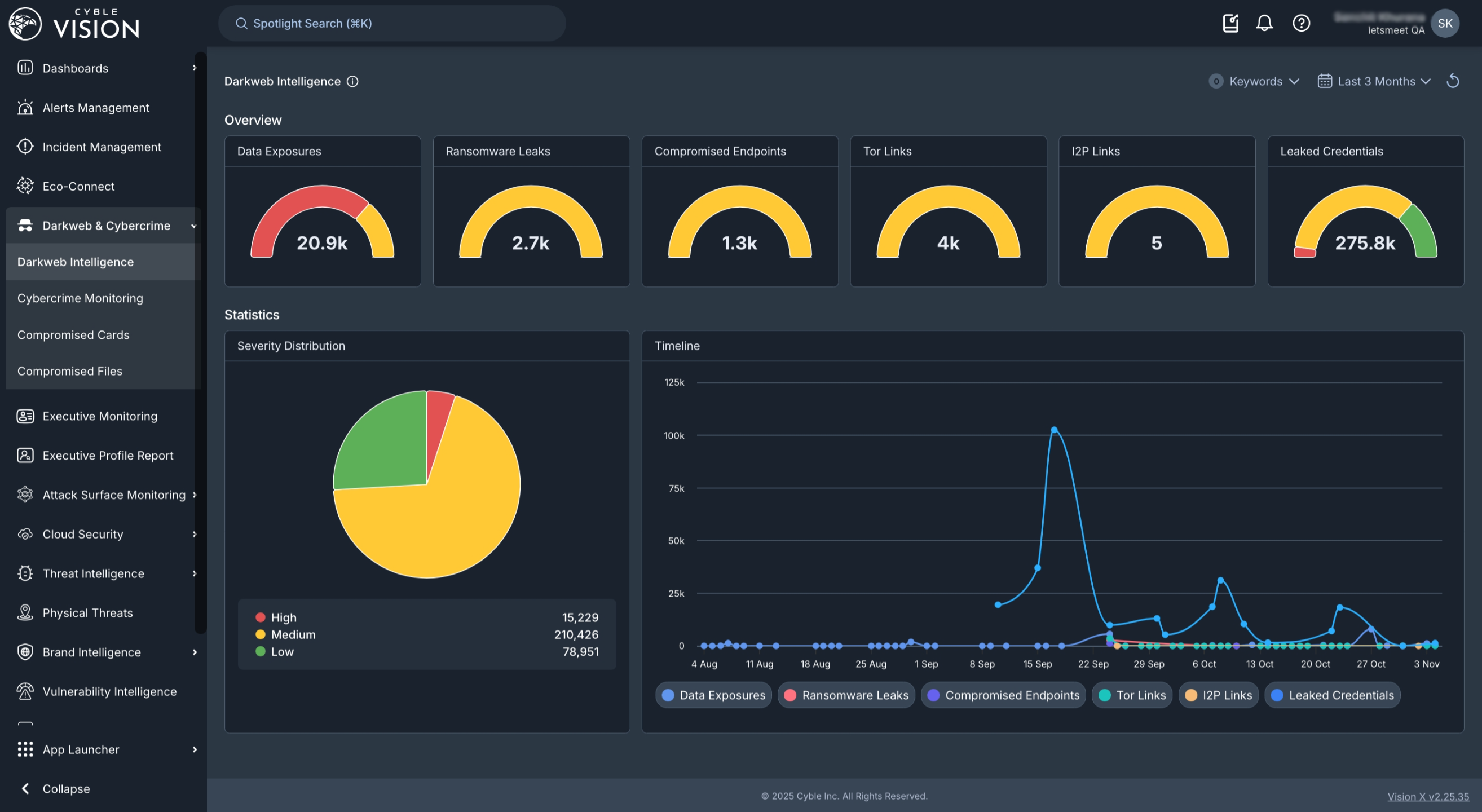
For organizations that need to integrate findings into existing security stacks, Cyble Vision supports application programming interface (API) and Trusted Automated eXchange of Intelligence Information (TAXII) connections. Intelligence flows directly into SIEM, SOAR, and ticketing systems without manual re-entry. This design turns each alert into a case-ready incident.
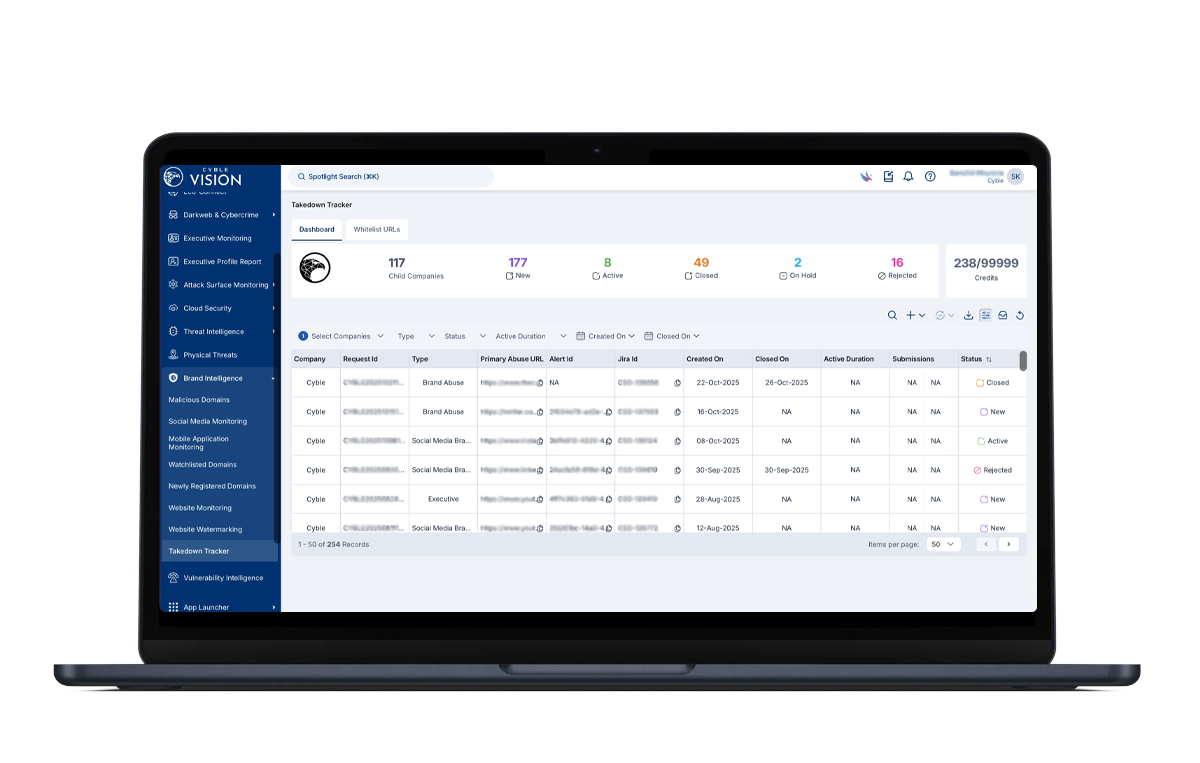
Native managed takedown is part of the platform. When a phishing site, a lookalike domain, or a leaked credential set is identified, the removal workflow runs against service level agreements (SLAs) with a reported 98% takedown success rate. Later sections refer back to this rate as the takedown benchmark. Detection and removal occur within one coordinated platform.
For a broader evaluation of dark web monitoring platforms for business use, see Best Dark Web Monitoring Tools For Businesses In 2026.
See Cyble Vision for business domains
How To Evaluate A Dark Web Monitoring Service
Evaluation criteria for dark web monitoring fall into five qualitative dimensions. Each dimension affects how well the platform supports real-world response.
Coverage depth. Ask which sources the vendor actually monitors. A service that queries public breach databases and calls it dark web monitoring makes a naming choice rather than a capability claim. Meaningful coverage includes closed forums, invite-only marketplaces, Telegram channels, paste sites, stealer log repositories, and ransomware leak sites, not only publicly disclosed breach data. Request a clear explanation of which sources the vendor monitors and which it cannot reach.
Signal-to-noise ratio. Ask whether the vendor reports a ratio and how it is calculated. A platform that generates hundreds of alerts per week and requires hours of analyst triage becomes a workload. Entity resolution running before alerting, rather than after, separates relevant findings from noise. Cyble reports a 95% signal-to-noise ratio, with entity resolution applied at ingestion so that mentions not referring to the monitored organization are filtered upstream.
Entity resolution before alerting. This is the single most important architectural question. Entity resolution after alerting sends analysts raw mentions and forces them to determine relevance manually. Entity resolution before alerting ensures that only confirmed, relevant findings reach the queue. Those findings already include source context, threat actor associations, and severity scoring against the organization’s specific attack surface.
Takedown included natively. A monitoring service that ends at the alert and hands the removal problem back to the customer closes only part of the gap. Cyble reports the 98% takedown success rate noted earlier and delivers takedown against SLAs as a native part of the platform. Coverage includes phishing sites, lookalike domains, fake applications, impersonation accounts, and leaked data across jurisdictions.
Integration depth with existing security infrastructure. Intelligence that never reaches the tools the team already uses rarely drives action. Cyble Vision offers more than 70 native integrations including Splunk, Microsoft Sentinel, IBM QRadar, Cortex XSOAR, and ServiceNow, with API and TAXII support for custom pipelines and data warehouse ingestion. The current integration list is available on Cyble’s integrations page.
Organizations comparing alternatives can also review Cyble’s comparison hub on the Why Cyble: Compare Us page for positioning against specific platforms.
Frequently Asked Questions
Why does it say my email was found on the dark web?
The alert means the email address appeared in a dataset such as a breach dump, a combolist, a stealer log, or a ransomware leak site that the monitoring service can access. The alert confirms that the identifier circulates in criminal markets. Risk depends on what data accompanied the email, with higher concern when passwords, cookies, or login URLs appear alongside it.
How can I check if my data has been leaked?
For a personal email address, Have I Been Pwned provides a free historical lookup against publicly disclosed breaches and sends notifications when a monitored address appears in newly indexed data. Mozilla Monitor offers free alerts for up to 20 email addresses per account. For a business email domain, domain-level monitoring with entity resolution provides broader coverage by watching for references to the organization across dark web sources and resolving obfuscated mentions.
Is there a free dark web monitor?
Yes. Have I Been Pwned is free for individual email address lookups and offers free domain monitoring for domains with 10 or fewer breached addresses. Mozilla Monitor provides free breach alerts for up to 20 email addresses. These tools work well for individuals and very small organizations with no regulated data and few privileged accounts. Organizations that need coverage of stealer logs, invite-only forums, real-time marketplace listings, managed takedown, entity resolution, or workflow integration should consider a paid platform.
How much does dark web monitoring cost?
Pricing varies based on coverage depth, the number of monitored assets, whether managed takedown is included, and integration requirements. Free tiers exist for individual and small-domain use cases. Business-grade platforms scale from entry-level plans for small organizations to enterprise contracts covering large domains, executive identities, and full SIEM and SOAR integration. The right tier depends on organizational size, data sensitivity, the ability to act on alerts, and takedown needs. Cyble’s pricing is available through a demo engagement, so request a demo to discuss your requirements.
Does dark web monitoring remove my data?
Monitoring alone focuses on detection. Once data enters dark web circulation it exists in copies across servers, private channels, and individual threat actor machines with no central deletion mechanism. Cyble’s managed takedown capability goes further by removing phishing sites, lookalike domains, fake applications, impersonation accounts, and leaked data through automated workflows combined with global enforcement. These efforts run against SLAs and align with the takedown benchmark described earlier.
How is domain-level monitoring different from personal email monitoring?
Personal email monitoring checks whether a specific address appears in known breach data. Domain-level monitoring watches for any address under a corporate domain, resolves obfuscated or cross-language references to the organization, maps exposures to individual employees, and scores findings based on whether the affected account belongs to a privileged user. It also connects credential exposures to broader threat context and integrates findings into the security operations workflow. For organizations with many employees, domain-level monitoring provides the only practical approach.
Conclusion
An email breach exposure alert signals a security event with a clock. The window between a credential appearing in a dark web market and its first use in a credential stuffing or account takeover attempt often measures in hours. Monitoring delivers value only when it drives a fast, structured response.
Four criteria determine whether a platform closes the gap between knowing and acting. These criteria are coverage depth across closed sources and stealer logs, signal-to-noise ratio driven by entity resolution before alerting, inclusion of takedown as a native capability, and integration depth with the security tools the team already uses.
Cyble Vision delivers continuous monitoring across surface, deep, and dark web. It covers more than 15,000 darknet marketplaces, resolves entities at ingestion, and delivers enriched alerts into existing SIEM and SOAR workflows via API and TAXII. It also includes managed takedown with the 98% success benchmark referenced earlier, all from one platform. For security and IT teams who have just received an exposure alert and need to decide whether to escalate or close the ticket, that combination turns an alert into a resolved incident.
Schedule a Cyble Vision walkthrough