

Key Takeaways
-
Dark web monitoring continuously collects data from marketplaces, forums, Telegram, paste sites, ransomware leaks, and infostealer logs, then matches it against an organization’s identifiers to deliver actionable alerts.
-
The pipeline includes six stages: watchlist definition, continuous multilingual collection, entity resolution, enrichment with threat context, severity scoring, and coordinated response actions such as credential resets and takedowns.
-
Entity resolution and relevance scoring run before alerting to reduce false positives, achieving a reported 95% signal-to-noise ratio and delivering enriched alerts in minutes rather than hours.
-
Dark web monitoring detects leaked credentials, infostealer logs, executive personally identifiable information (PII), spoofed domains, fake applications, brand abuse, ransomware mentions, threat actor chatter, and initial access broker (IAB) listings, while coverage still excludes some private or invite-only communities.
-
Cyble is the artificial intelligence (AI) native platform providing visibility into more than 15,000 marketplaces, approximately 90% cybercrime coverage, collection in more than 20 languages, and native managed takedown with a reported 98% success rate.
How Dark Web Monitoring Works: Step by Step
Step 1: Data Input and Watchlist Definition
The pipeline starts with a watchlist that defines what the platform will match against everything it collects. A complete organizational watchlist covers the organization’s external footprint: primary and subsidiary domains, executive names and email patterns, brand and product terms, technology stack components, IP ranges, and source code repository names. Each category maps to a different exposure type, such as phishing, impersonation, or data theft, and a narrow watchlist produces narrow alerts.
Step 2: Continuous Collection
The platform collects data across dark web marketplaces, closed and open forums, Telegram channels, paste sites, ransomware leak sites, and infostealer logs.
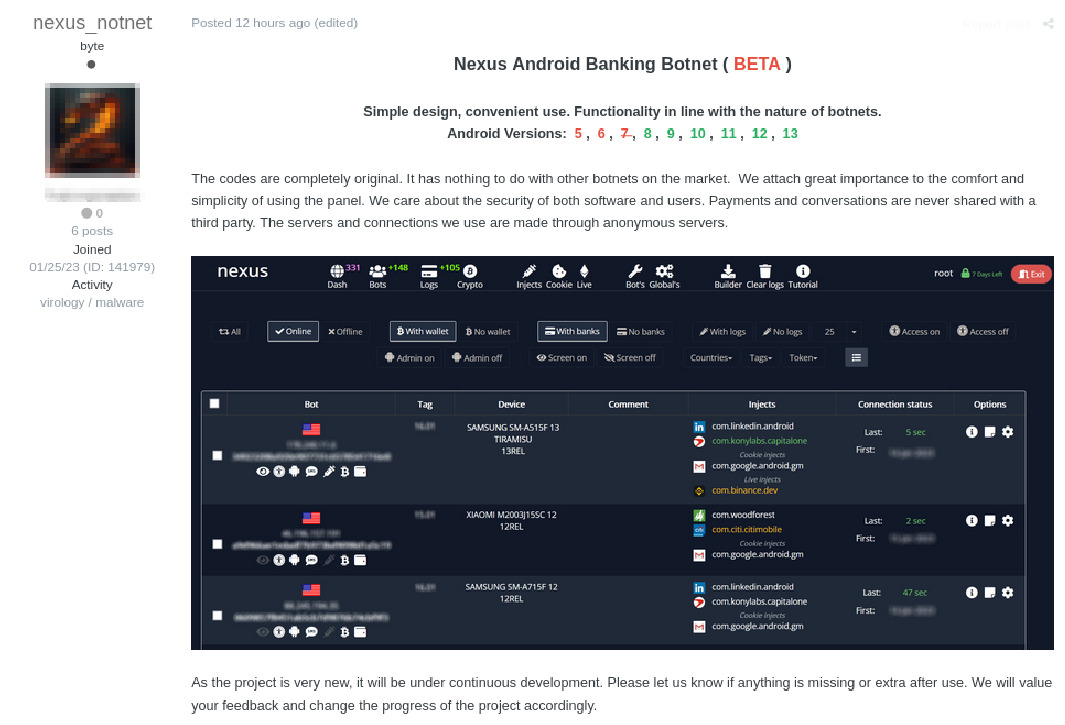
Multilingual collection is essential because threat actors operate in Russian, Chinese, Arabic, and many other languages. Obfuscated references to a brand in a non-English post can create the same risk as an English-language listing. Source selection, which means deciding which forums, channels, and marketplaces to prioritize, is the first place AI native systems differ from rule-based ones. Rule-based systems monitor a fixed list of sources, while AI native systems continuously evaluate which sources produce high-signal material and adjust coverage.
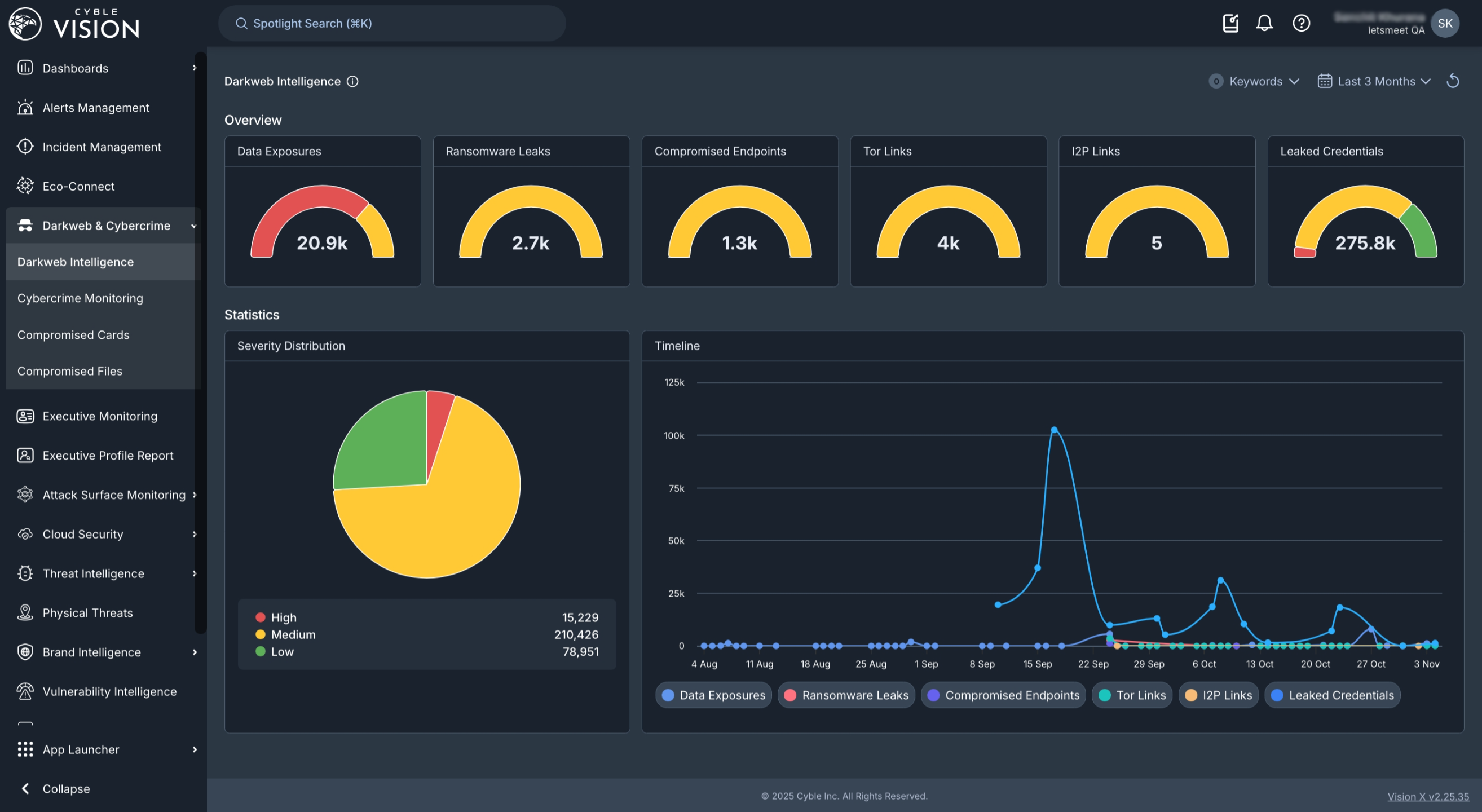
Cyble is the AI native platform with models operating at the collection layer, providing visibility into more than 15,000 darknet marketplaces, approximately 90% coverage of cybercrime activity, and multilingual collection across more than 20 languages.
Step 3: Matching and Entity Resolution
The platform must confirm that a finding actually refers to the monitored organization before it becomes an alert. Entity resolution, which determines whether multiple records or mentions across different sources refer to the same real-world entity, handles obfuscated spellings, cross-language references, and variant brand names. A post listing “ACME_b@nk” in a Russian-language forum and a separate listing for “acmebank” on an English-language marketplace may refer to the same organization, and entity resolution makes that determination before an analyst sees either.
This distinction matters operationally because a casual mention differs from confirmation that live credentials were stolen. Entity resolution separates those outcomes and must run before alerting to prevent false positives from eroding analyst trust in the feed. For more detail on credential-specific matching, see Dark Web Credential Monitoring: How It Works.
Step 4: Enrichment
A matched finding without context remains a raw data point. Enrichment adds the context that turns it into a case. The enrichment stage connects a leaked credential post to the breach it came from, the initial access broker (IAB, a criminal specialist who breaks into a target and resells that access rather than attacking further) selling access, and the ransomware group known to buy from that broker. It tags the source type, timestamps the first observation, and flags whether passwords are plaintext or hashed.
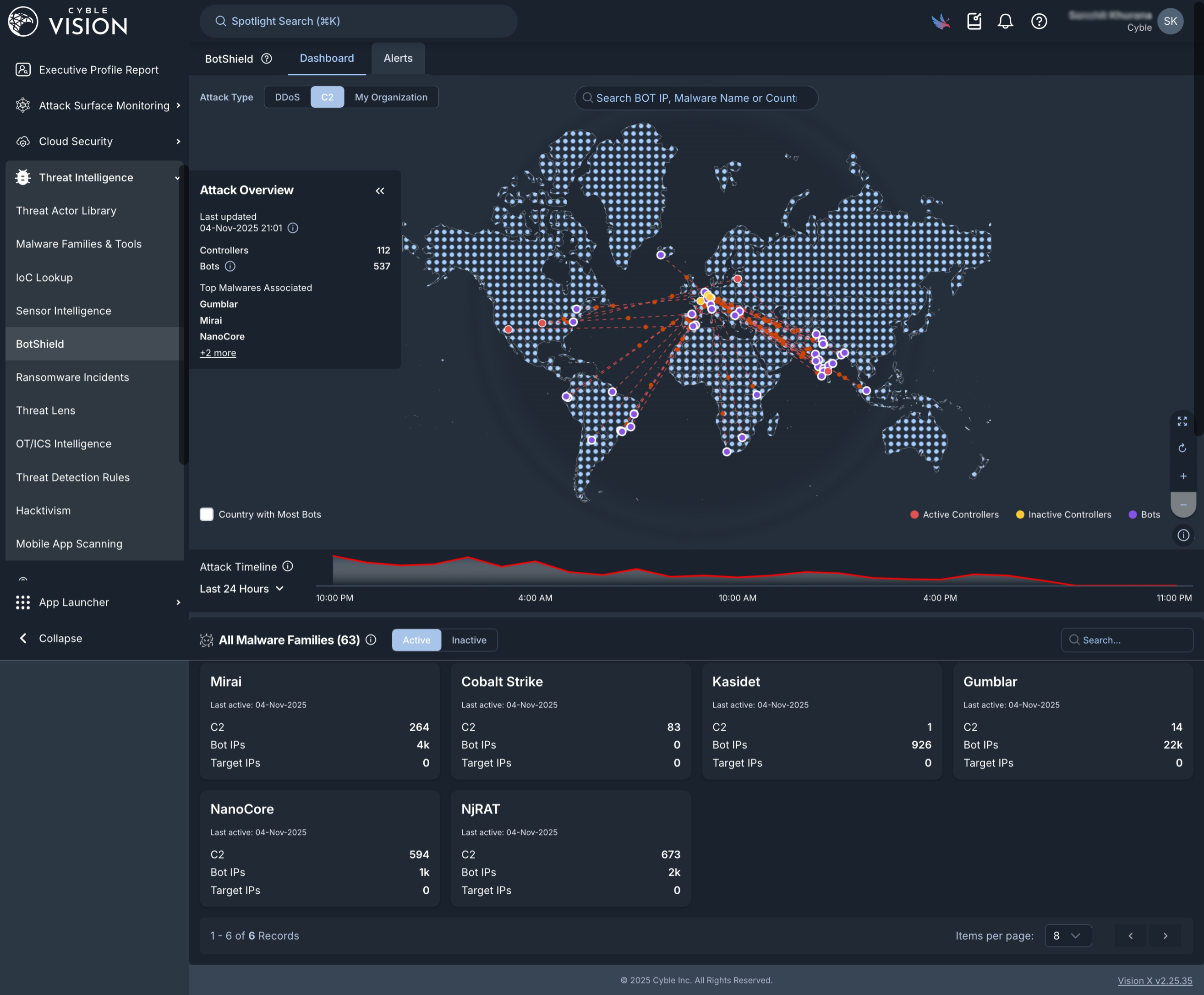
According to Constella Intelligence research cited by Adaptive Security, the median time from infostealer infection to dark web marketplace listing is under 48 hours. Enrichment therefore must operate at ingestion speed so analysts receive context as soon as the data appears.
Step 5: Severity Scoring and Alerting
Enriched findings are scored for relevance against the organization’s own attack surface rather than against the internet in general. A credential from a recycled 2019 breach dump scores low. A live session cookie harvested yesterday and listed this morning scores high. Scoring factors include recency, data type, source credibility, and whether the exposed account maps to an active identity in the organization’s directory.
The reported 95% signal-to-noise ratio comes from entity resolution running before alerting and relevance scoring running against a specific attack surface instead of generic keyword matching across the full feed. Cyble delivers enriched alerts in minutes rather than hours from detection to dissemination, based on Cyble internal telemetry.
Step 6: Response
The response layer turns alerts into concrete security actions. The sequence starts with credential resets and session or token revocation to cut off immediate access. Multi-factor authentication (MFA) enforcement then prevents reuse of stolen credentials, while endpoint investigation checks for infostealer presence and lateral movement checks look for credential reuse across connected systems. When brand infrastructure is involved, such as phishing sites, lookalike domains, or fake mobile applications, takedown becomes the next step.
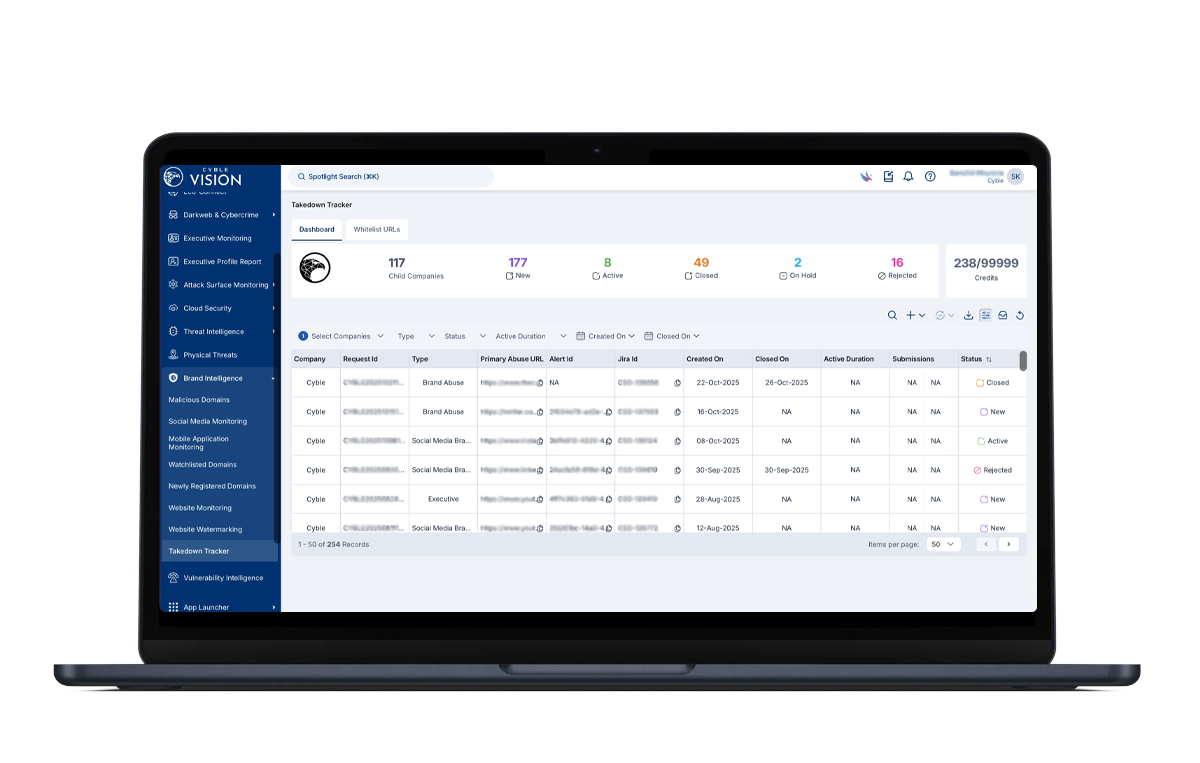
Cyble Vision is the flagship product for cyber threat intelligence (CTI), attack surface management (ASM), and digital risk protection (DRP). Cyble Titan covers endpoint detection and response (EDR) for endpoint investigation as part of the same incident. Intelligence flows into existing security operations center (SOC) workflows through Cyble’s more than 70 integrations, including Splunk, Microsoft Sentinel, IBM QRadar, Cortex XSOAR, and ServiceNow, delivered through native connectors and REST application programming interfaces (APIs). See the Cyble Integrations page for the current list.
How a Single Credential Moves Through the Pipeline
This architectural illustration shows how the pipeline operates when all stages run without a human in the loop. It describes a possible sequence rather than a guaranteed service level, and actual results depend on the customer’s environment, asset scope, and configuration.
A credential appears in an infostealer log at 11 PM. By midnight attackers have tested it against live services. By 2 AM it has been sold on a criminal marketplace. By 6 AM money has moved. According to Flare’s 2026 State of the Dark Web report, more than 1.17 million stealer logs analyzed contained both enterprise credentials and active session cookies, which enable attackers to bypass MFA entirely.
In the same scenario, the pipeline ingests the infostealer log at 11 PM. Entity resolution confirms the email domain belongs to the monitored organization. Enrichment links the log to a known infostealer family, identifies the IAB channel where it was posted, and flags that the same IAB has previously sold access to ransomware affiliates. Severity scoring rates the finding as critical because the credential is plaintext, the account is active in the directory, and the source is a live marketplace rather than a recycled dump. The system generates an enriched alert.
The organization now has a preserved response window to reset the credential, revoke active sessions, enforce MFA, and investigate the endpoint. The full path from external exposure to actionable alert can resolve in under 30 minutes when detection, entity resolution, enrichment, and alerting all run automatically.
What Dark Web Monitoring Can and Cannot Find
Dark web monitoring surfaces a wide range of organizational exposure. Typical detections include:
-
Leaked credentials and infostealer logs containing plaintext passwords and session cookies
-
Stolen internal documents and customer records
-
Executive personally identifiable information (PII)
-
Spoofed domains and lookalike domain registrations
-
Fake mobile applications on third-party stores
-
Brand abuse and impersonation infrastructure
-
Ransomware leak site mentions and pre-publication staging
-
Threat actor chatter naming the organization as a target
-
IAB listings offering verified network access
Coverage still has limits because no monitoring system can see every private or gated community. Invite-only forums, newly established channels, and data traded in fully closed networks may not appear in any monitoring feed. Monitoring also focuses on early warning, while separate response processes remove data where possible and neutralize exposed access.
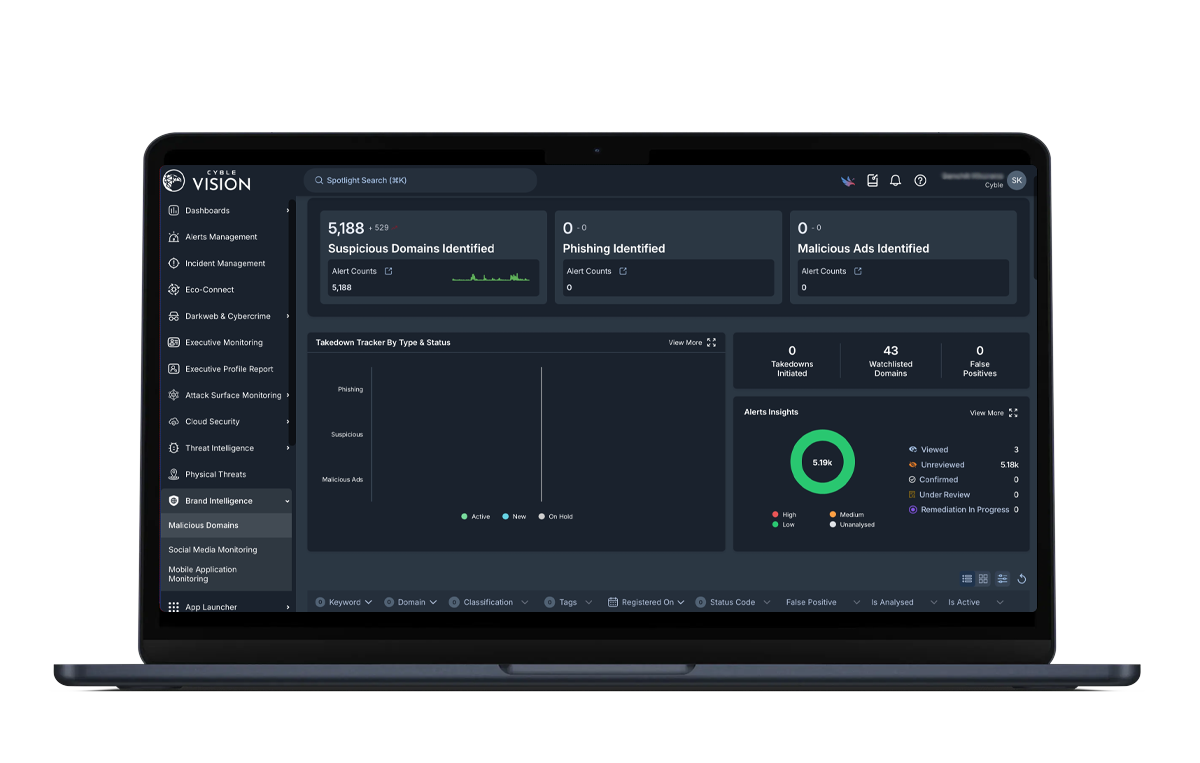
Detection and removal work most effectively when they come from one pipeline. Cyble’s native managed takedown covers phishing sites, lookalike domains, fake applications, impersonation accounts, and leaked data. It is delivered against service level agreements (SLAs) and reports a 98% takedown success rate based on Cyble internal telemetry. Capabilities, coverage, and service levels vary by subscription tier and region.
Explore Cyble takedown services
Why False Positives Happen and How to Manage Signal-to-Noise
False positives in dark web monitoring usually come from four sources. Generic keyword matching catches any mention of a common word in the brand name. Common executive names appear in unrelated contexts. Recycled data from old breaches resurfaces in new compilations. Some mentions reference a different organization entirely. Breachsense’s 2025 Dark Web Exposure Report documented that the largest credential collections surfacing in 2025 were aggregator postings that repackaged years of prior breach dumps, so a significant share of raw dark web data is recycled material.
The fix operates at three points in the pipeline. Entity resolution runs before alerting and filters mentions that do not resolve to the monitored organization. Relevance scoring runs against the organization’s specific attack surface, including domains, subsidiaries, executives, and technology stack, instead of generic keyword matches. Enrichment at ingestion speeds triage even when a finding turns out not to be material, because the analyst receives context alongside the alert rather than spending the first hour of every case on manual pivoting. Cyble’s reported 95% signal-to-noise ratio reflects this design, based on Cyble internal telemetry.
What to Do When a Dark Web Monitoring Alert Fires
Teams need a clear playbook for handling dark web alerts. When an alert fires, follow this sequence:
-
Confirm the exposure is current and not recycled from a prior breach.
-
Reset the affected credentials at the directory level so the change propagates to email, virtual private network (VPN), single sign-on (SSO), and connected software-as-a-service (SaaS) platforms.
-
Revoke all active sessions and tokens simultaneously.
-
Enforce MFA or require re-enrollment if the exposure includes MFA seed or session tokens.
-
Investigate the affected endpoint for infostealer presence, because malware may still be running if the credential was exfiltrated directly from the device.
-
Check for lateral use of the same credentials across connected systems.
-
Initiate takedown where brand infrastructure, such as phishing sites, lookalike domains, or fake applications, is involved.
The NHI Mgmt Group’s Leaked Credential and Secret Incident Response Playbook recommends assuming a leaked credential has already been used until logs prove otherwise and revoking access before rotating credentials.
Personal vs. Organizational Dark Web Monitoring
Personal dark web monitoring watches an individual’s email addresses and identity documents for exposure in breach databases and infostealer logs. Organizational dark web monitoring watches a brand, its executives, its domains, its subsidiaries, and its infrastructure. It matches against a watchlist that covers the full external attack surface rather than a single identity. For a detailed treatment of executive-level monitoring, see Dark Web Monitoring for Executives: A Complete Guide.
Statistics drawn from Cyble internal telemetry are attributed as such throughout this article. Results depend on the customer’s environment, asset scope, and configuration. Capabilities, coverage, and service levels vary by subscription tier and region. Threat actor attribution is expressed with confidence levels and is not asserted as certainty.