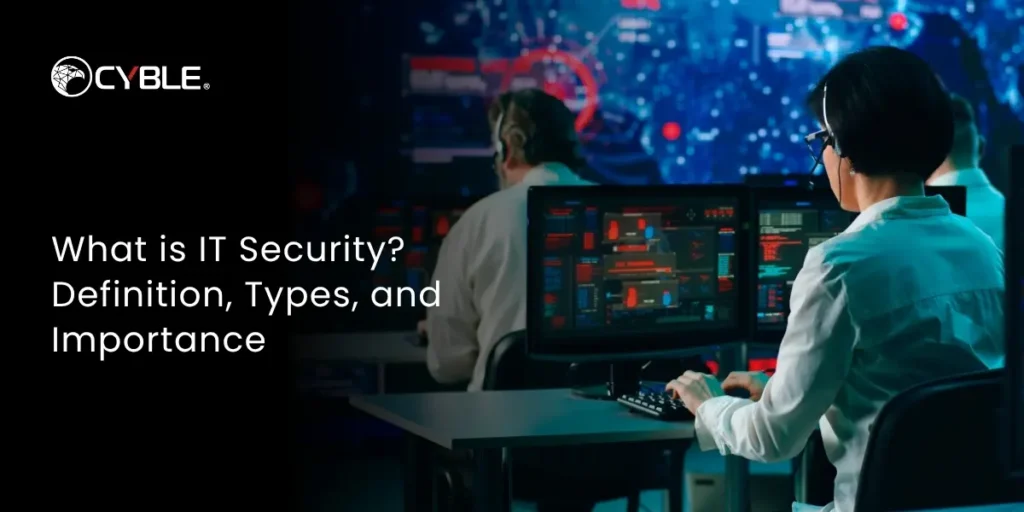
Today we can say that our life and workspaces run on digital systems But with the rise of technology comes a certain level of cyber risk- the risk of theft of data, malware attacks, ransomware, and hacking. So, for this reason, IT security comes into being.
If one starts talking about the meaning of IT security, it basically means safeguarding of digital systems by a set of practices and tools. This includes the computers, servers, mobile devices, networks, and the data itself.
The definition of IT security extends from the simplest concepts such as password protection to more sophisticated cases of threat detection. IT security is not any one system or team; it is the way in which all of the people, processes, and technology come together.
Ultimately, IT security is all about preventing unauthorized access to IT systems, preventing misuse, by disruption or damage. Several elements together constitute the integrity of an IT security policy. Among the elements of IT security are the following:
• Access control
• Authentication and authorization
• Security software and hardware
• Monitoring and reacting systems
• User training and awareness
• Incident management plans
Together, these building blocks of IT security create a backbone that safeguards both data and infrastructure.
This guide will help you to understand in detail about IT security and why does it matter so much.
Types of IT Security
There are several types of IT security, each with a specific role in protecting systems. Each of these plays a vital part in protecting IT environments. When combined, they create a layered defense that’s harder for attackers to bypass.
Below are the types of IT security:
- Endpoint Security: Focuses on devices like laptops, desktops, and mobile phones. It prevents threats from exploiting user endpoints.
- Network Security: Protects the infrastructure connecting your devices. It blocks intrusions, secures communication channels, and monitors traffic.
- Application Security: Ensures the software you use doesn’t contain flaws that hackers can exploit.
- Cloud Security: Guards cloud-based platforms and services from risks like misconfiguration and unauthorized access.
- Data Security: Involves encryption, access controls, and data masking to protect sensitive information.
How Does IT Security Work?
IT security works by using a combination of hardware, software, and protocols. It detects suspicious activity, blocks unauthorized access, and alerts the right security teams. Here are some of the examples of IT security to explain it better.
Antivirus software scans files for malware. Firewalls act as gatekeepers for network traffic. And authentication tools make sure only authorized users can access sensitive systems.
Other IT security examples are:
- A hospital encrypting patient records to maintain privacy.
- A bank using multi-factor authentication to prevent account takeovers.
- An e-commerce site deploying firewalls to stop DDoS attacks.
Each example shows how IT security works in different sectors and situations.
Importance of IT Security
The importance of IT security cannot be ignored. One small vulnerability can lead to massive damage. Businesses can lose money, data, and trust. Individuals can have their privacy violated. And governments can face national security threats.
This is, why IT security important? IT security keeps digital systems functioning safely. It prevents fraud, protects identities, and ensures that operations continue without disruption.
The role of IT security in business is especially critical. Companies rely on IT systems for almost everything, from communication, payments, logistics, HR, to customer engagement. Without proper information technology security, business operations can come to a halt.
Benefits of IT Security
The benefits of IT security go far beyond just avoiding cyberattacks. Mentioned below benefits show how deeply IT security is tied to success in the digital world:
- Reduce financial and reputational risk
- Ensure regulatory compliance
- Improve operational efficiency
- Build trust with customers and partners
Organizations must take IT security seriously. Whether it’s a startup or a multinational company, the cyber risks are real. Data loss, operational disruption, and brand damage can happen fast.
This is why IT security management matters. It involves setting up policies, conducting audits, training employees, and investing in the right tools.
Today, many organizations turn to trusted solutions like Cyble’s threat intelligence platform to get early warnings about potential cyber risks. This helps reduce exposure and strengthen defense, especially in complex digital environments.
IT Security Principles
The principles of IT security guide how protections are put in place. These principles ensure that systems are secure not just today, but in the future as well.
These include:
- Least privilege: Giving users only the access they need
- Defense in depth: Using multiple layers of security
- Continuous monitoring: Watching for threats around the clock
- Security by design: Building security into systems from the start
IT Security vs Cyber Security
One should be very clear that the IT security is not the same as cyber security. Cybersecurity refers specifically to countering online threats such as hacking, phishing, DDoS attacks, and data breaches.
From a broader perspective, IT security involves such things as physical protection of devices, security of internal systems, including physical systems, and less cyber-centric risks. Though closely related, IT security is an umbrella term that covers cybersecurity as one of its major areas.
Conclusion
When we understand what IT security is, the types of IT security, and why it matters, we start to see its importance in building safer digital arenas. Every day, the importance of IT security grows as new threats come and expand.
IT security poses a challenge to businesses, governments, and simple users. The future belongs to those who can secure it, and IT security can do just that.