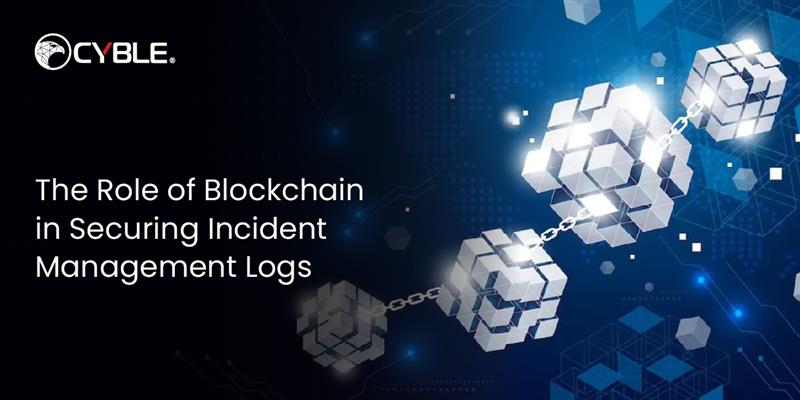
Cyber threats are evolving, and so are the methods to counter them. Security teams often struggle with log management vulnerabilities—data tampering, unauthorized access, and compliance risks. A single alteration in incident logs can distort an entire investigation, making it difficult to trace the root cause of security breaches. Blockchain Powered Incident Management Security is stepping in as a revolutionary approach to address these challenges.
By leveraging Blockchain in Incident Management, organizations can achieve a decentralized, tamper-proof, and transparent system for logging security incidents. This article explores how blockchain technology is redefining log security, offering Immutable Audit Trails with Blockchain, decentralized logging mechanisms, and enhanced compliance auditing capabilities.
Understanding Incident Management Logs and Their Security Challenges
Incident management logs are critical records that track security events, network anomalies, and operational disruptions. These logs help security teams analyze incidents, mitigate risks, and comply with regulatory standards. However, traditional log management systems face several challenges:
- Data Tampering: Logs can be modified or deleted, making forensic analysis unreliable.
- Unauthorized Access: Centralized storage systems are prone to breaches and insider threats.
- Compliance Issues: Organizations struggle with maintaining logs in a format that meets regulatory requirements.
- Inefficient Auditing: Traditional auditing methods are time-consuming and lack transparency.
How Blockchain Strengthens Log Security
By integrating Blockchain for Log Security, organizations can address these challenges effectively. Blockchain provides a decentralized, immutable, and transparent framework that enhances security incident management in the following ways:
1. Immutable Audit Trails with Blockchain
One of the core advantages of blockchain is immutability. Once data is recorded, it cannot be altered or deleted, ensuring integrity and authenticity. This feature is particularly beneficial for security logs, where maintaining an accurate record is crucial for forensic investigations and regulatory compliance.
2. Decentralized Incident Logging for Enhanced Security
With Decentralized Incident Logging, logs are distributed across multiple nodes rather than being stored in a single database. This prevents single points of failure and reduces the risk of data manipulation or breaches.

3. Secure Log Storage with Blockchain
Blockchain employs cryptographic hashing to protect stored logs, making them tamper-resistant and highly secure. This ensures that incident records remain intact even in the event of a security breach.
4. Blockchain for Compliance Auditing
Regulatory frameworks such as GDPR, HIPAA, and ISO 27001 require organizations to maintain transparent and tamper-proof records. Blockchain-based Log Management simplifies compliance by offering a verifiable, auditable trail of security events that regulators can trust.
Key Benefits of Blockchain in Incident Management
1. Enhanced Data Integrity and Trust
Every entry in a blockchain-based log management system is cryptographically signed, ensuring that logs remain authentic and free from tampering.
2. Reduced Fraud and Insider Threats
Since blockchain is decentralized, unauthorized modifications become nearly impossible. This reduces insider threats and fraudulent alterations of security logs.
3. Improved Incident Response and Forensic Investigations
Incident response teams rely on accurate logs for root-cause analysis. Blockchain Applications in IT Security provide immutable logs, ensuring forensic investigators have trustworthy data to analyze security breaches.
4. Real-Time Threat Detection and Alerts
Blockchain-powered systems enable real-time monitoring and automated threat alerts, allowing businesses to respond to incidents faster.
5. Enhanced Collaboration Across Security Teams
A shared blockchain ledger ensures that security teams, auditors, and compliance officers have a single, consistent source of truth, eliminating discrepancies in security logs.
Integrating Blockchain in Incident Management Systems
Implementing Blockchain Security Solutions for incident management requires a strategic approach. Here’s how organizations can integrate blockchain into their security operations:
1. Choose the Right Blockchain Framework
Selecting a private or consortium blockchain is recommended for enterprise security applications, as it offers better control over access and scalability.
2. Implement Smart Contracts for Automated Incident Handling
Smart contracts automate log validation and alerting mechanisms, ensuring that security events are processed and recorded without human intervention.
3. Encrypt and Hash Log Data
Applying cryptographic techniques enhances log security, ensuring that only authorized personnel can access incident records.
4. Ensure Seamless Integration with Existing Security Tools
Blockchain-based log management solutions should be compatible with SIEM (Security Information and Event Management) systems, allowing businesses to leverage their existing security infrastructure.
Cyble Incident Management: Strengthening Security Operations
Managing scattered alerts is no longer sustainable—it’s essential to streamline incident handling. Cyble’s Incident Management module transforms security operations by consolidating alerts into actionable incidents. This comprehensive solution boosts efficiency, reduces downtime, and strengthens collaboration across teams. With advanced monitoring capabilities, businesses can detect threats in real-time and enhance their security posture using blockchain-powered solutions.
Future of Blockchain in Cybersecurity and Incident Management
The adoption of Blockchain in Cybersecurity is expected to grow, with advancements in AI and machine learning further enhancing security operations. Future applications may include:
- AI-driven anomaly detection on blockchain logs for proactive threat identification.
- Interoperable blockchain networks that enable cross-organization security collaboration.
- Integration with IoT security systems to ensure the authenticity of device logs.
Conclusion
Blockchain Powered Incident Management Security is no longer just an emerging trend—it is becoming a necessity for businesses looking to protect their incident logs from manipulation, breaches, and regulatory challenges. Its decentralized and immutable nature ensures that security logs remain trustworthy, verifiable, and resistant to tampering.
With solutions like Cyble’s Incident Management, organizations can go beyond traditional log security by consolidating alerts into actionable insights, enhancing threat detection, and strengthening incident response. This proactive approach not only mitigates risks but also optimizes cybersecurity operations, allowing businesses to stay ahead of evolving threats.
As blockchain technology continues to mature, its role in cybersecurity will only grow stronger. The question is no longer whether businesses will adopt blockchain for log security, but how quickly they can integrate it to fortify their defenses. Are we on the brink of a new era where decentralized security systems redefine digital protection? The answer may lie in how organizations choose to leverage this game-changing technology.