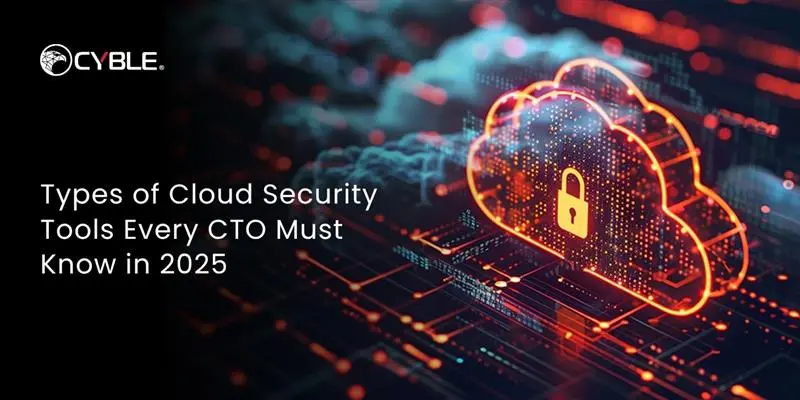
Cloud computing has cemented itself as one of the most efficient technologies, to such an extent that the majority of IT operations are now connected to cloud services. In 2026, companies that are not adopting cloud services are lagging, and there is a good reason for that.
The rising complexity of multi-cloud deployments, stricter regulations, and advanced cyber threats demand better tools and adoption. This article explains cloud security tools and why every Chief Technology Officer (CTO) should adopt them in their cybersecurity strategies.
Best Cloud Security Tools 2026
1. Cloud Security Posture Management (CSPM)
Finding the best cloud security tools in 2026 could be a hassle. The best tool available online is undoubtedly Cloud Security Posture Management (CSPM). It is a modern foundation for comprehensive cloud defense that works efficiently and is lightweight on the system environment.
Cyble’s CSPM platform exemplifies the cutting edge in cloud security software by providing organizations with AI-powered, real-time visibility and automated risk remediation across complex multi-cloud environments. Here’s why Cyble’s CSPM is a must-have for organizations:
- Unified Threat Detection: Cyble integrates CSPM seamlessly with its Cyble Vision and Cyble Hawk platforms.
- Multi-Cloud & Hybrid Support: Cyble’s CSPM is compatible with AWS, Azure, Google Cloud, and on-premises infrastructure.
- Compliance Made Easy: The solution includes built-in compliance mapping for HIPAA, GDPR, SOC 2, and more.
- Real-Time Remediation: Automated identification and correction of misconfigurations to reduce risk and operational overhead.
- Scalable and Agentless: Cyble’s platform is lightweight and scalable, ideal for organizations growing their cloud footprint.
2. Cloud Workload Protection Platforms (CWPPs)
While CSPM focuses on posture and compliance, CWPPs take care of workloads running in cloud environments. With Cyble, CTOs can integrate its abilities into CSPM data that further complements workload protection efforts. This gives CTOs comprehensive insight and control over both infrastructure and application layers.
3. Cloud Access Security Brokers (CASBs)
Cloud Access Security Brokers (CASBs) control access to cloud services and efficiently enforce data protection policies. Cyble’s threat intelligence enriches CASB functionalities by providing real-time alerts on suspicious activity and insider threats.

4. Identity and Access Management (IAM)
Zero Trust principles underpin modern cloud security technologies, and IAM is vital for this approach. Cyble’s CSPM works hand-in-hand with IAM tools, helping CTOs enforce strict access controls and monitor identity-related risks continuously.
5. Cloud-Native Application Protection Platforms (CNAPPs)
Cyble’s platform integrates CSPM capabilities with vulnerability management and workload protection, perfectly aligning with the CNAPP vision and simplifying security management for CTOs.
6. Advanced Threat Intelligence (ATI) Powered by Cyble
Cyble’s expertise in advanced threat intelligence (ATI) distinguishes it in the crowded cloud security market. ATI employs machine learning to predict, detect, and respond to emerging cloud threats proactively. This enhances the effectiveness of Cyble’s CSPM by:
- Providing contextual threat analysis
- Correlating global and internal threat data
- Enabling automated incident response workflows
7. Security Information and Event Management (SIEM)
Cyble’s tools integrate smoothly with SIEM platforms, enriching security analytics and accelerating incident detection. This synergy ensures CTOs maintain comprehensive oversight of their cloud environments.
Emerging Cloud Security Trends and Cyble’s Role in 2026
- Multi-Cloud Complexity: Cyble’s centralized platform handles the security challenges of multi-cloud environments, offering unified visibility that 69% of organizations say they struggle to achieve.
- Regulatory Compliance: With 70% of enterprises prioritizing compliance, Cyble’s automated compliance mapping simplifies audits and reduces risk.
- AI-Powered Defense: Cyble leads the charge with AI-driven threat detection, a necessity as attackers use modern technologies like AI to craft advanced phishing and reconnaissance campaigns.
- Zero Trust Adoption: Cyble’s continuous monitoring supports Zero Trust frameworks by ensuring only authorized entities access cloud resources.
Why CTOs Choose Cyble for Cloud Security in 2026
- Comprehensive Coverage: From CSPM to ATI, Cyble delivers an end-to-end cloud security platform.
- Ease of Integration: Works with existing security tools and cloud providers without disruption.
- Scalability: Supports organizations of all sizes and adapts as cloud usage grows.
- Operational Efficiency: Automation reduces manual errors and frees security teams to focus on strategic initiatives.
- Regulatory Confidence: Built-in compliance features help organizations meet rigorous regulations effortlessly.
Conclusion
In 2026, the stakes for cloud security have never been higher. The diversity of cyber threats and the technical prowess they bring to the table requires CTOs to arm themselves with the top cloud security tools and strategies that deliver visibility, control, and automation.
By prioritizing Cyble’s innovative cloud security tools, CTOs can confidently navigate the complexities of modern cloud environments, protect digital assets, and maintain a resilient security posture well into the future.
For any organization looking to lead in cloud security this year, schedule a free demo today to see how Cyble can better protect their organizations.
Frequently Asked Questions (FAQs) about Cloud Security Tools in 2026
Q1: What are cloud workload protection tools?
Cloud workload protection tools secure cloud applications and workloads by detecting threats and vulnerabilities, essential for CTOs managing dynamic cloud environments.
Q2: How do cloud access security broker tools help?
Cloud access security broker tools monitor cloud usage, enforce policies, and prevent data leaks, offering crucial visibility and control in cloud security.
Q3: What is identity and access management in the cloud?
Identity and access management in the cloud controls user access to resources, enforcing security and supporting zero-trust cloud security strategies.
Q4: Why use cloud data encryption tools?
Cloud data encryption tools protect sensitive data by encrypting it in storage and transit, helping CTOs meet compliance and prevent breaches.
Q5: What are cloud firewall solutions?
Cloud firewall solutions filter network traffic to block unauthorized access, protecting cloud assets from cyber threats.
Q6: How do multi-cloud security tools assist organizations?
Multi-cloud security tools offer unified management and protection across multiple cloud platforms, simplifying security for CTOs.
Q7: What role do SaaS security tools play?
SaaS security tools secure cloud applications by managing access and preventing data leaks, vital as SaaS adoption grows.
Q8: How do cloud threat detection tools work?
Cloud threat detection tools use AI and real-time monitoring to identify and respond to security threats quickly.
Q9: What is zero-trust cloud security?
Zero-trust cloud security requires continuous verification for all users and devices, reducing risk in cloud environments.
Q10: Where can CTOs find a guide to cloud security 2026?
The CTO guide to cloud security 2026 covers key tools, strategies, and trends to help secure modern cloud infrastructures.