In today’s digital world, where cyber threats evolve by the minute, having timely, accurate intelligence is a must for organizations aiming to stay one step ahead. This is where the threat intelligence lifecycle comes into play. Just like any intelligence process, it involves gathering, analyzing, and using data to make smarter, proactive security decisions.
From identifying potential threats to building a well-informed response strategy, the lifecycle offers a structured approach to protecting valuable assets. Understanding each phase of this process is key, and it can empower organizations to make sense of the ever-shifting landscape of cyber threats.
In this article, we’ll delve into the cyber threat intelligence lifecycle, exploring its phases, importance, and practical applications.
What is Threat Intelligence Cycle?
The intelligence cycle is a systematic process used by intelligence organizations to gather, analyze, and disseminate information. While traditionally associated with national security and defense, the principles of the intelligence cycle have been adapted for cybersecurity. In the world of cybersecurity, understanding what is the intelligence cycle is crucial for effective threat management.
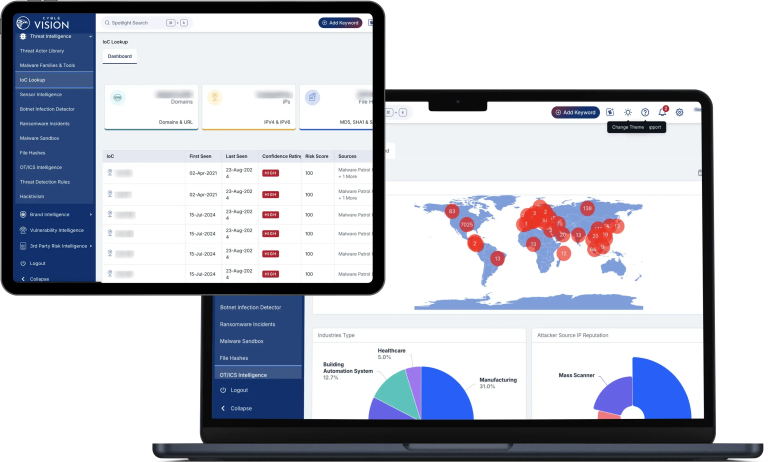
The intelligence cycle consists of several key phases:
- Planning and Direction
- Collection
- Processing and Exploitation
- Analysis and Production
- Dissemination and Integration
- Feedback and Evaluation
When applied to cybersecurity, this cycle becomes the threat intelligence lifecycle, focusing specifically on the threats facing organizations in the digital space.

The Threat Intelligence Lifecycle
The threat intelligence lifecycle is a continuous process that involves the collection, analysis, and application of data related to cyber threats. It is essential for organizations looking to stay ahead of potential attacks and strengthen their defenses. The cycle can be broken down into four main phases, which we will explore in detail.
1. Planning and Direction
The first phase of the cyber threat intelligence lifecycle involves identifying the specific needs and objectives of the organization. During this phase, security teams must define:
- Goals: What does the organization hope to achieve with threat intelligence?
- Requirements: What types of threats need to be monitored? This could include malware, phishing attempts, or insider threats.
- Resources: What tools and personnel are available for collecting and analyzing threat data?
In this phase, it’s essential to align the threat intelligence strategy with the overall security objectives of the organization. This ensures that the collected intelligence is relevant and actionable.
2. Collection
Once the objectives are clear, the next phase of cyber threat intelligence cycle is collection. This involves gathering information from various sources to build a comprehensive understanding of the threat landscape. Collection can include:
- Internal Data: Logs from firewalls, intrusion detection systems, and endpoint security solutions.
- External Data: Information from threat intelligence providers, open-source intelligence (OSINT), and dark web monitoring.
- Human Intelligence: Insights from security analysts and other experts in the field.
Effective collection is crucial for ensuring that the intelligence gathered is relevant to the organization’s specific threats. By utilizing diverse sources, security teams can develop a more complete picture of potential risks.
3. Analysis and Production
After the collection phase, the next step is analysis and production. This phase focuses on transforming raw data into meaningful insights. Analysts assess the collected information to identify patterns, trends, and potential threats.
Key activities during this phase include:
- Threat Assessment: Evaluating the likelihood and potential impact of identified threats.
- Prioritization: Determining which threats pose the most significant risk to the organization.
- Contextualization: Providing context around threats to understand their relevance to the organization’s environment.
The goal of this phase is to produce actionable intelligence that can inform decision-making and security strategies.
4. Dissemination and Integration
The final phase of the threat intelligence lifecycle is dissemination and integration. In this phase, the actionable intelligence produced in the previous step is shared with relevant stakeholders within the organization.
Key aspects of dissemination include:
- Formats: Intelligence should be presented in a format that is easily understandable by different audiences, including technical teams, management, and board members.
- Timeliness: Information should be shared promptly to ensure that security teams can act on it quickly.
- Integration: The intelligence should be integrated into existing security processes and tools, such as incident response plans and security information and event management (SIEM) systems.
Effective dissemination ensures that the right people receive the right information at the right time, enhancing the organization’s overall security posture.
Importance of the Threat Intelligence Lifecycle
Understanding the threat intelligence lifecycle is critical for organizations for several reasons:
- Proactive Defense: By continuously monitoring and analyzing threats, organizations can proactively address vulnerabilities before they are exploited.
- Improved Decision-Making: Actionable intelligence enables better-informed decisions regarding resource allocation and risk management.
- Enhanced Incident Response: With timely and relevant intelligence, security teams can respond more effectively to incidents, reducing potential damage.
Conclusion
The threat intelligence lifecycle is an essential component of any organization’s cybersecurity strategy. By understanding and implementing the four phases of the intelligence cycle—planning and direction, collection, analysis and production, and dissemination and integration—organizations can significantly improve their ability to detect and respond to cyber threats.
Moreover, by committing to the threat intelligence lifecycle, organizations can navigate the challenges of the digital age with greater confidence and resilience.
FAQs on Threat Intelligence Lifecycle
What is the threat intelligence lifecycle?
The threat intelligence lifecycle is a continuous process used in cybersecurity to collect, analyze, and apply information about cyber threats. It helps organizations stay proactive in detecting and mitigating potential risks.
What are the main phases of the threat intelligence lifecycle?
The primary phases include planning and direction, collection, analysis and production, and dissemination and integration. Each step builds on the previous one to ensure actionable intelligence.
Why is the threat intelligence lifecycle important?
It enables organizations to proactively defend against cyber threats by providing timely and relevant insights, improving decision-making, and enhancing incident response capabilities.
What is the difference between the intelligence cycle and the threat intelligence lifecycle?
The intelligence cycle is a general process used in various fields for gathering and analyzing data, while the threat intelligence lifecycle specifically applies this concept to cybersecurity.
How does threat intelligence support incident response?
By providing timely and actionable insights on potential threats, threat intelligence helps incident response teams act more effectively and minimize the impact of attacks.
What role does collection play in the threat intelligence lifecycle?
Collection involves gathering relevant data from internal and external sources to understand the threat landscape. It’s crucial for building a comprehensive view of possible risks.
How is threat intelligence integrated into security practices?
Threat intelligence is shared with stakeholders and integrated into existing security processes, like SIEM systems and incident response plans, to improve the overall security posture.