Cyber threats are becoming more complicated and relentless, posing significant risks to businesses and individuals alike. Organizations need strong security measures to detect, analyze, and respond to potential threats in real time. This is where Security Event Management (SEM) comes into play.
SEM provides a structured approach to monitoring and managing security incidents, ensuring that threats are identified and mitigated before they escalate into major breaches. By leveraging SEM solutions, businesses can enhance their cybersecurity posture, protect sensitive data, and maintain compliance with industry regulations.
Understanding Security Event Management (SEM)
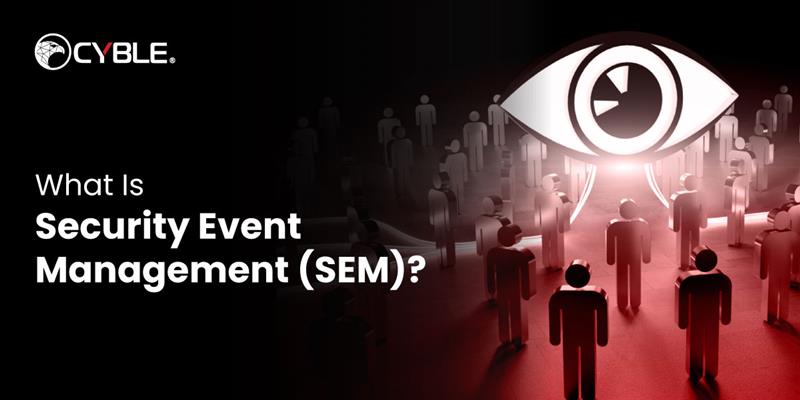
Security Event Management (SEM) refers to the process of collecting, analyzing, and responding to security events in real time. It plays a crucial role in identifying threats, mitigating risks, and ensuring compliance with security regulations. SEM solutions help organizations centralize security data, detect anomalies, and automate threat response.
How Does SEM Work?
SEM operates by collecting logs and event data from various sources such as firewalls, intrusion detection systems (IDS), intrusion prevention systems (IPS), antivirus software, and network devices. This data is then analyzed to identify patterns, anomalies, and potential security threats. When a suspicious event is detected, alerts are generated, enabling security teams to take immediate action.
The Key Components of Security Event Management (SEM)
1. Security Incident and Event Management (SIEM) Integration
Many organizations use security incident and event management (SIEM) solutions alongside SEM to enhance threat detection and incident response. SIEM solutions provide a broader security landscape, combining real-time event monitoring with historical data analysis.
2. SEM Protection Mechanisms
SEM protection involves several layers of defense, including:

- Log Collection and Analysis: Aggregating security logs from multiple sources for centralized monitoring.
- Threat Detection: Identifying suspicious behavior or potential cyber threats in real time.
- Incident Response: Automating responses to mitigate threats before they escalate.
- Compliance Management: Ensuring organizations adhere to regulatory requirements.
3. SEM Monitoring and Alerting
SEM monitoring involves continuous surveillance of security events to detect anomalies. Advanced SEM solutions utilize artificial intelligence (AI) and machine learning (ML) to identify patterns and reduce false positives. Automated alerting helps security teams respond swiftly to potential threats, minimizing damage and downtime.
4. SEM Reporting Platform
A SEM reporting platform provides comprehensive security insights through dashboards, real-time alerts, and in-depth reports. Organizations rely on these reports to analyze past incidents, evaluate security performance, and refine their cybersecurity strategies.
5. Security Information Event Manager (SIEM) vs. SEM
Although the terms security information event manager (SIEM) and security event management (SEM) are often used interchangeably, they have distinct differences:
- SEM focuses on real-time event monitoring, alerting, and response.
- SIEM combines SEM capabilities with log management, data correlation, and forensic analysis.
Organizations may choose SEM or SIEM based on their specific security needs and infrastructure requirements.
The Benefits of Security Event Management (SEM)
Implementing an effective SEM strategy provides several advantages:
- Improved Threat Detection: Real-time monitoring helps identify threats before they cause significant damage.
- Enhanced Incident Response: Automated responses enable quick mitigation of security incidents.
- Better Compliance: SEM helps organizations meet industry regulations and standards.
- Centralized Security Management: All security events are managed from a single platform, streamlining operations.
- Reduced Security Costs: Early threat detection minimizes potential financial and reputational losses.
How Cyble Incident Management Enhances SEM
Managing scattered alerts is no longer sustainable—it’s essential to streamline incident handling. Cyble’s Incident Management module transforms your security operations by consolidating alerts into actionable incidents. This comprehensive solution boosts efficiency, reduces downtime, and strengthens collaboration across teams. With Cyble, organizations can enhance their SEM protection and optimize their cybersecurity infrastructure.
Challenges in Security Event Management
Despite its benefits, SEM comes with certain challenges, including:
- High Volume of Security Alerts: Managing a large number of alerts can be overwhelming for security teams.
- False Positives: Not all detected anomalies are actual threats, leading to wasted resources.
- Integration Complexity: Implementing SEM across various IT environments can be challenging.
- Skill Shortage: A lack of skilled cybersecurity professionals may hinder effective SEM implementation.
Organizations can overcome these challenges by leveraging AI-driven SEM solutions, automating threat response, and partnering with cybersecurity experts.
Future of Security Event Management
As cyber threats continue to evolve, the future of SEM will be shaped by advanced technologies, including:
- AI and Machine Learning: Enhanced threat detection and automated incident response.
- Cloud-Based SEM Solutions: Scalable and flexible security event management for modern enterprises.
- Behavioral Analytics: Identifying suspicious activities through user behavior monitoring.
- Automated Threat Intelligence: Integrating global threat intelligence feeds for proactive security.
Conclusion
Security Event Management (SEM) is a crucial pillar of modern cybersecurity, enabling organizations to monitor, detect, and respond to threats effectively. By integrating SEM protection, monitoring, and a SEM reporting platform, businesses can fortify their security posture. As cyber threats become more sophisticated, investing in cutting-edge SEM solutions, such as Cyble Incident Management, will be essential for staying ahead of adversaries.
How prepared is your organization to handle security incidents? Are you leveraging the right SEM tools to safeguard your digital assets? The future of cybersecurity depends on proactive security event management strategies.
FAQs on What is Security Event Management (SEM)?
What is Security Event Management (SEM)?
SEM is a cybersecurity process that collects, analyzes, and responds to security events in real time to detect threats.
How does SEM differ from SIEM?
SEM focuses on real-time monitoring and event correlation, while SIEM combines SEM with log management for deeper analysis.
Why is SEM important for cybersecurity?
SEM helps organizations detect and respond to threats quickly, reducing the risk of data breaches and cyberattacks.
What are the key features of SEM?
SEM includes real-time monitoring, event correlation, alerting, and automated incident response to mitigate threats.
Who should use SEM solutions?
Businesses of all sizes, especially those handling sensitive data, should use SEM to enhance security and compliance.