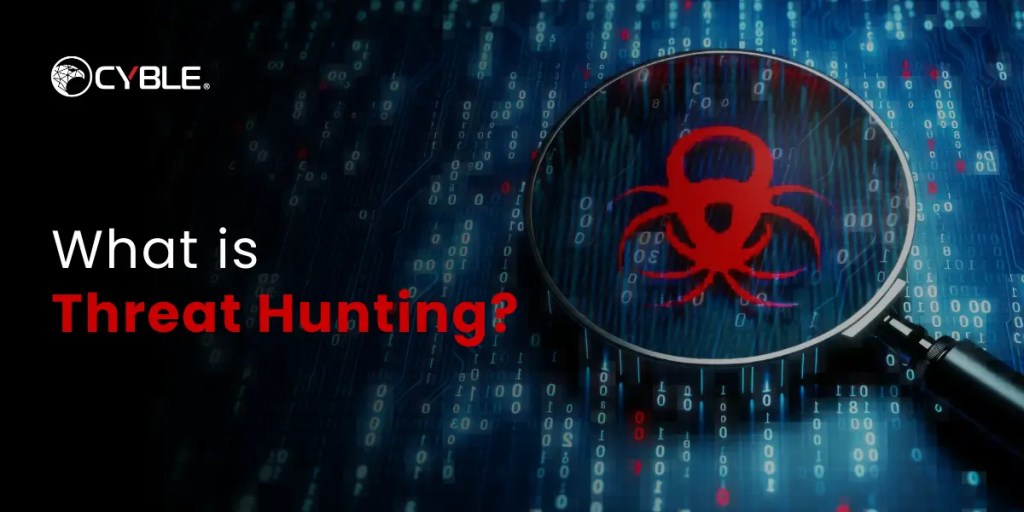
Threat hunting is a methodology with a mix of manual and automated techniques including network scans, analysing system data to identify malicious actors and malicious activity.
As malicious actors are becoming more sophisticated, employing evasive human-led techniques to carry out their attacks is the need of the hour, it calls for the critical importance of defending organizations to actively search for mitigate threats before they escalate.
The current cybersecurity landscape is pushing organizations to enhance their ability and protect themselves against active adversaries.
The Top 5 Cybersecurity Threats- and how to protect against them
- Malware Attacks- Malware, short for malicious software- refers to any software intentionally designed to cause damage to a computer, server, client, or computer network.
- Phishing Scams- tricking users into revealing sensitive information, such as login credentials, credit card numbers, or social security numbers, through deceptive emails or messages. Phishers often impersonate legitimate entities to gain the victim’s trust.
- Data Breaches- when unauthorized parties gain access to sensitive information, often through hacking or malware. These breaches can lead to data loss, identity theft, and reputational damage.
- Ransomware– a malware that encrypts a victim’s data, rendering it inaccessible until a ransom is paid. It can have devastating effects on individuals and organizations, leading to data loss and operational disruptions.
- Social Engineering- manipulating people into performing actions or divulging confidential information. It relies on psychological tactics to deceive users and gain unauthorized access to systems or data.
10 Practices to Protect Your Organization from Cyber Threats
Promoting a Culture of Cybersecurity:
Foster a cybersecurity-focused culture within your organization by providing ongoing training to employees. This training should help staff recognize and respond to various cyber threats. By establishing a strong security awareness program, you can ensure that everyone understands the significance of cybersecurity and has the necessary skills to protect sensitive information and systems. Encourage employees to report any unusual or potentially dangerous activity.
Enforce Multi-Factor Authentication:
Use multi-factor authentication (MFA) for all employees who need access to sensitive data or systems. MFA enhances security by requiring users to provide at least two different forms of identification before gaining access. This additional layer makes unauthorized access much more difficult.

Secure Data with Encryption:
Encrypt sensitive information to keep it secure from unauthorized access. Encryption is a process that transforms data into a coded format, making it unintelligible without the correct key. Encrypt both data “at rest” (when it’s stored on a device or server) and “in transit” (when it’s being transmitted). This dual approach ensures data confidentiality and security.

Conduct Regular Vulnerability Assessments:
Perform regular vulnerability assessments to find potential security weaknesses in your organization’s systems and applications. These assessments can help identify gaps before cybercriminals can exploit them.
Implement Intrusion Detection and Prevention Systems:
Deploy intrusion detection and prevention systems (IDPS) to monitor network traffic for signs of suspicious activity. These systems can detect and act to prevent cyber attacks, offering an additional layer of security.
Develop an Incident Response Plan:
An incident response plan outlines the specific steps to take in the event of a cyber attack to minimize its impact. The plan should be customized to your organization’s unique needs and risks, detailing the roles and responsibilities of IT, security personnel, management, and other relevant parties. It should also include a communication strategy for internal and external stakeholders during a security incident. Having an incident response plan helps ensure a swift and effective reaction to cyber threats.
Implement Data Backup Practices:
Regularly back up crucial business data and store the copies either offsite or in the cloud. This should be done daily, if possible, and automated to minimize manual effort. Important data includes documents, spreadsheets, databases, financial records, HR files, accounts receivable/payable files, and applications.
Use Network Segmentation:
Network segmentation involves dividing a network into smaller subnetworks, each with distinct security measures. This approach limits the potential damage of a cyber attack by containing threats to specific network segments.
Strengthen Email Security:
Implement robust email security controls to prevent phishing attacks and other email-based cyber threats. These controls can block suspicious emails and attachments, reducing the risk of malicious content infiltrating your organization.
Stay Updated on Cybersecurity Threats:
Stay informed about the latest cyber threats by subscribing to industry newsletters, attending relevant conferences, and participating in other cybersecurity-related events. Keeping up with current trends and threats is crucial for maintaining strong cybersecurity defenses.
The steps involved in an effective threat hunting program are outlined as below-
- Define the scope and objectives of the program- Establishing a clear scope and set of objectives for your threat hunting program involves identifying what systems, networks, applications, or data you intend to monitor and protect. You also need to define if you are hunting for specific types of threats, such as malware or insider threats.
- Establish metrics for success- to measure the effectiveness of threat hunting programs, we have to set clear metrics for success. These metrics will help evaluate the performance of your team and the program’s impact on your organization’s security posture.
- Create a dedicated threat hunting team- to effectively execute a program, the team should consist of skilled professionals with a strong understanding of cybersecurity, network forensics, and threat intelligence.
- Make use of data analytics and automation- Effective threat hunting relies on analyzing large volumes of data to detect anomalous behavior. Utilizing data analytics and automation can streamline this process and improve accuracy.
- Conduct regular training and exercises-It is essential to keep the threat hunting team sharp and up-to-date with the latest threat landscapes and techniques. This step ensures that the team is well-prepared to handle real-world threats.
Gathering as much information about an attacker’s actions, methods, and goals during this process; analyzing collected data to determine trends in the security environment, and eliminate current vulnerabilities helps make predictions about how to improve security in the future.
FAQs About What is Threat Hunting
What is threat hunting in cybersecurity?
Threat hunting in cybersecurity is the proactive process of identifying and mitigating potential threats or malicious activities within a network before they cause harm. It involves skilled analysts using advanced tools and techniques to uncover hidden or advanced threats that evade traditional defenses.
Why is threat hunting important for businesses?
Threat hunting is essential for businesses as it helps detect and respond to cyber threats that often bypass automated defenses. This proactive approach reduces the risk of data breaches, minimizes downtime, and enhances overall security posture.
How does threat hunting differ from traditional security monitoring?
Unlike traditional security monitoring, which relies on automated systems to detect known threats, threat hunting is a proactive, human-led effort to uncover unknown or advanced threats. It focuses on identifying anomalies and suspicious patterns that may indicate hidden attacks.
What are the key steps in a threat hunting process?
Define a hypothesis, investigate suspicious activity, analyze data, and respond to identified threats.
What tools are used for threat hunting?
Threat hunting relies on tools that offer advanced detection, analysis, and monitoring capabilities. Solutions like Cyble Vision provide real-time insights into emerging threats by analyzing data across open, deep, and dark web sources, helping organizations stay proactive in identifying risks and vulnerabilities.
How can threat hunting help prevent data breaches?
Threat hunting proactively searches for hidden threats in a network, identifying and mitigating them before they cause harm.
What skills are needed for effective threat hunting?
Skills include knowledge of network security, malware analysis, scripting, and familiarity with threat detection tools.