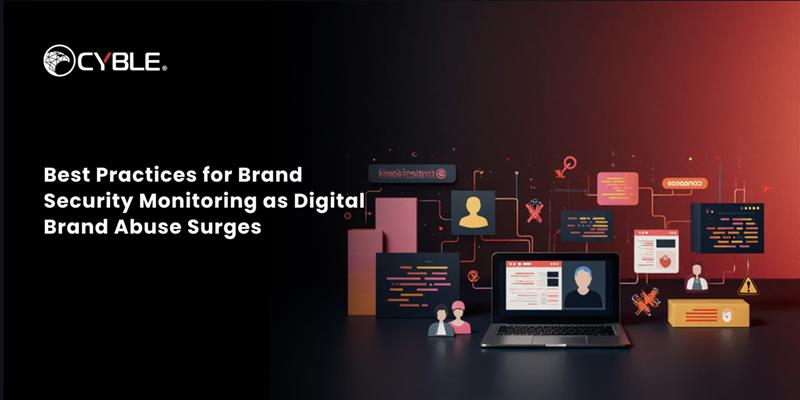
The email looked legitimate. Same logo. Same tone. Same “urgent” subject line customers had seen before. But within hours, complaints started pouring in—a scenario that underscores the need for Best Practices for Brand Security Monitoring to prevent such disasters.
Accounts were compromised. Payments were rerouted. By the time the company realised the email wasn’t theirs, the damage was already done..
No systems had been breached. No malware was detected. The brand itself had been hijacked.
This is the reality many organisations are waking up to as brand security monitoring becomes a business necessity rather than a security add-on.
As digital channels multiply, attackers are no longer just targeting networks, they are exploiting brand trust. And when trust is abused, recovery is slow, public, and expensive.
Why Brand Security Monitoring Is No Longer Optional
Digital transformation has expanded how brands interact with customers through their different digital channels which include apps websites email social media marketplaces and third-party platforms.

The same paths which digital branding employs to connect with customers are used by attackers to launch their attacks.
Digital brand abuse has surged in recent years because of phishing campaigns and fake domains and impersonation accounts and counterfeit apps. The attacks do not attempt to steal from the organization through direct methods.
The attackers use the brand reputation to deceive customers and partners and employees who trust the brand.
Brand security monitoring functions as an essential security element for organizations. The system detects external brand misuse which traditional security tools cannot detect. Organizations need it because they need to prevent customers from reporting fraud before they need to respond to fraud cases.
Understanding the New Face of Brand Abuse
Today brand abuse can be executed through automated systems which operate at high speeds and can reach large volumes of work. Threat actors require only a few minutes to create lookalike domains which they then use for their attacks.
Fake social media accounts can gain credibility overnight. Phishing kits are reused across industries with minimal effort.
Brand abuse monitoring helps organisations detect these activities early, before they escalate into widespread fraud. The process involves discovering domains that exhibit suspicious behavior together with identifying counterfeit mobile applications and impersonation emails and unauthorized logo and trademark use.
The situation functions as a security problem while it also creates a danger to the organization’s reputation. Every successful scam decreases customer trust because customers believe the organization has suffered a security breach.
Brand Security Monitoring and the Rise of Phishing Attacks
The most typical method of brand misuse today involves phishing brand abuse. Attackers use trusted brand names to create fake identities which deceive users into exposing their login credentials and financial information and personal details.
The attacks succeed because they create an experience which users recognize from their past. The branding is accurate. The messaging is convincing. The delivery achieves its purpose through perfect timing.
Brand security monitoring needs to track both domain and email and web content systems which use phishing infrastructure that imitates real brand assets. The identification process of threats should proceed at maximum speed because it enables immediate response actions to reduce potential damage.
Best Practices for Brand Security Monitoring in 2026
As brand abuse becomes more sophisticated, organisations need a structured approach. Below are brand security best practices that leading enterprises are adopting:
1. Monitor Beyond Your Own Assets
Brand threats rarely live on your infrastructure. Strong brand security monitoring must extend across the open web, social platforms, app stores, and underground forums.
2. Prioritise Brand Impersonation Detection
Fake executive profiles, cloned customer support pages, and lookalike social accounts are increasingly common. Brand impersonation detection should be continuous, not reactive.
3. Integrate Trademark Monitoring Online
Attackers often exploit registered brand terms in domain names and ads. Trademark monitoring online helps identify misuse early and supports faster enforcement.
4. Treat Brand Abuse as a Security Signal
Brand misuse often precedes deeper attacks. Brand protection monitoring should feed into broader cyber risk assessments, not operate in isolation.
5. Focus on Speed, Not Just Visibility
Finding threats isn’t enough. Online brand protection requires rapid validation and takedown workflows to reduce the window of exposure.
Why Brand Reputation Monitoring Matters More Than Ever
Customers treat all products as authentic because they cannot find any distinction between genuine and counterfeit items. The reputation of your brand suffers when a scammer uses your brand name to execute their fraudulent activities.
Brand reputation monitoring exists as the primary result which successful brand security systems achieve. The system links technical detection capability with three aspects of customer experience and public perception and trust evaluation.
The damage from unregulated abuse to organizational credibility proceeds at a faster pace than the impact of a data breach when customers experience feelings of being deceived or unsafe.
Fake Brand Detection Is Now a Competitive Necessity
From counterfeit apps to cloned websites, fake brand detection has become a baseline requirement for digital-first organisations. Attackers exploit scale, launching dozens of fake assets at once to overwhelm response teams.
Modern brand security monitoring solutions help prioritise the most damaging threats—those actively targeting customers—so teams can act decisively rather than chase noise.
Aligning Brand Security Monitoring With Business Goals
The most effective programs treat brand security monitoring as a business function, not just a technical one. Legal, marketing, security, and customer support teams all play a role.
When brand abuse is detected early, organisations can:
- Prevent customer harm
- Reduce fraud losses
- Protect long-term brand equity
- Maintain trust during digital growth
This alignment transforms brand protection from a defensive task into a strategic advantage.
Conclusion
The brand abuse problem will continue to change because digital ecosystems keep expanding. The question has now changed to how brands prepare themselves for attacks that will definitely happen.
Organizations use strong brand security monitoring systems to change their operations from incident response activities into proactive threat detection functions. The system delivers essential visibility which allows organizations to secure their customers and maintain their trust while protecting their digital identities throughout multiple locations.
Organizations use Cyble’s platform to implement this strategy which combines three types of intelligence with continuous monitoring across all web domains to create an overview of their brand exposure and potential threats.
The digital-first business environment requires companies to protect their brand presence across all online platforms including unmonitored areas.