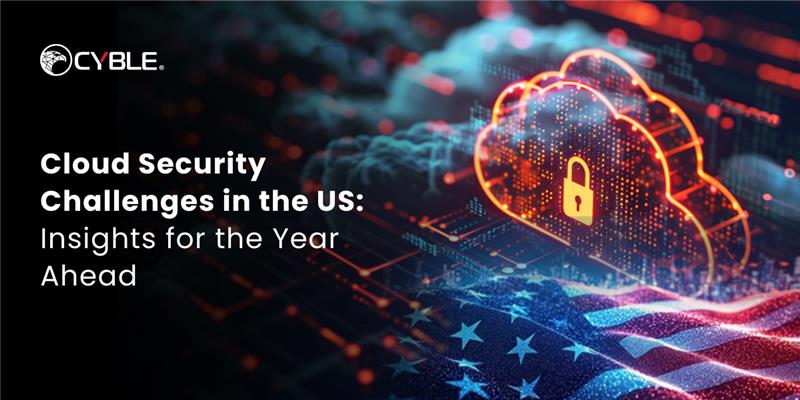
The future of cloud security in the United States is becoming increasingly critical as organizations continue their rapid migration to cloud-based environments. With businesses relying on the cloud to drive innovation and efficiency, the landscape in 2025 will be shaped by new technologies, stringent regulatory requirements, and a rising tide of security risks.
Among the top cloud security challenges in 2025 are misconfigurations, inadequate monitoring, and the exploitation of vulnerabilities in widely used Software-as-a-Service (SaaS) tools. These risks are compounded by emerging cloud threats in the US, including phishing campaigns, ransomware attacks targeting cloud backups, and unauthorized access due to weak identity management.
To address these challenges, enterprises and federal agencies must adopt vigorous strategies such as implementing Cloud Security Posture Management (CSPM) solutions, adhering to Secure Configuration Baselines, and leveraging advanced threat detection tools. This article walks the readers through the evolving cloud security landscape, explores key threats, and offers insights into the strategies shaping the future of cloud security in the United States.
Top Cloud Security Challenges in 2025
Organizations in the U.S. are increasingly relying on cloud services, yet misconfigurations and inadequate security controls continue to pose significant risks. Some of the top cloud security challenges in 2025 include:
- Misconfigurations: A leading cause of cloud breaches, misconfigurations allow unauthorized access to sensitive data. Proper setup and monitoring are critical to mitigating this risk.
- Emerging Cloud Threats in the US: Cybercriminals are developing methods to exploit vulnerabilities in cloud environments. Ransomware, insider threats, and supply chain attacks are on the rise.
- Shadow IT: The use of unauthorized cloud services creates blind spots for IT teams, increasing the risk of data leaks and compliance violations.
- Shared Responsibility Model Misunderstanding: Many organizations fail to understand the shared responsibility model, assuming their cloud provider handles all security aspects.
- Lack of Real-Time Visibility: Without proper tools, it’s difficult to monitor activity in multi-cloud environments, leading to delayed detection of malicious activity.
US Cloud Security Trends 2025
The US cloud security trends in 2025 are shaped by increasing regulatory requirements, technological advancements, and the need for resilience against cyber threats. Key trends include:
- Adoption of Cloud Security Posture Management (CSPM) Solutions: Tools that continuously monitor and secure cloud environments are becoming essential for detecting misconfigurations and ensuring compliance.
- Government-Led Initiatives: The Cybersecurity and Infrastructure Security Agency (CISA)’s Secure Cloud Business Applications (SCuBA) project is driving the adoption of secure cloud configurations and continuous monitoring.
- Zero Trust Architecture: Organizations are implementing zero trust principles to minimize the risk of lateral movement within cloud networks.
- Increased Focus on Automation: Automated tools like cloud security posture management tools are gaining popularity for their ability to identify and remediate issues in real time.
- Integration of AI in Security: Artificial intelligence is being leveraged for threat detection, predictive analysis, and enhanced incident response.
Emerging Cloud Threats in the US
The future of cloud security in the United States must address a range of emerging cloud threats:

- Ransomware Attacks: Cybercriminals are targeting cloud backups and storage systems to disrupt operations and extort organizations.
- API Vulnerabilities: APIs are critical for cloud applications, but they are increasingly exploited by attackers to gain unauthorized access.
- Insider Threats: Whether accidental or malicious, insider actions can lead to significant data breaches.
- Data Exfiltration: Threat actors are finding new ways to siphon sensitive information from poorly secured cloud environments.
- Supply Chain Risks: Vulnerabilities in third-party software or services can expose entire cloud ecosystems to attacks.
Cloud Security Posture Management (CSPM): A Key to Securing the Cloud
Cloud Security Posture Management (CSPM) has become a basis of modern cloud security strategies. CSPM solutions offer automated tools to identify misconfigurations, ensure compliance, and monitor activity across cloud environments.
Benefits of CSPM Solutions
- Proactive Risk Identification: CSPM tools identify vulnerabilities and provide actionable recommendations to address them.
- Compliance Monitoring: These solutions help organizations meet regulatory standards such as FedRAMP, GDPR, and CMMC.
- Enhanced Visibility: CSPM tools provide a centralized view of cloud environments, making it easier to track activity and detect anomalies.
- Automated Remediation: Many CSPM tools offer automated remediation capabilities, reducing the time to resolve security issues.
Leading CSPM Companies
Several cloud security posture management companies like Cyble are at the forefront of this space, providing innovative tools and solutions. These companies offer CSPM tools tailored to meet the needs of modern cloud infrastructures.
How Cyble’s CSPM Helps
Cyble’s Cloud Security Posture Management (CSPM) solution equips organizations with the ability to identify, assess, and mitigate risks in their cloud environments. With a focus on real-time compliance and threat detection, Cyble’s CSPM integrates seamlessly with tools like CybleVision and CybleHawk to offer a unified view of potential vulnerabilities.
The solution emphasizes proactive risk management, enabling organizations to detect misconfigurations, track compliance with industry standards, and respond to emerging threats efficiently.
By bridging cloud and on-premises security, Cyble’s CSPM helps reduce the complexity of managing hybrid infrastructures while strengthening overall security posture.
Cloud Security Strategies for 2025
To stay ahead of threats, U.S. organizations must adopt cloud security strategies for 2025:
- Embrace Secure Configuration Baselines: As outlined in CISA’s SCuBA project, secure configuration baselines are critical for safeguarding cloud environments.
- Implement Zero Trust Principles: Continuously verify the identity and permissions of users and devices accessing cloud resources.
- Invest in CSPM Tools: Deploying CSPM solutions ensures continuous monitoring, compliance, and remediation.
- Train Employees: Regular training programs help employees recognize and respond to potential threats.
- Collaborate with Government Initiatives: Align organizational practices with directives like CISA’s Binding Operational Directive (BOD) 25-01.
- Adopt Multi-Factor Authentication (MFA): Strengthen access controls by requiring multiple forms of verification.
Conclusion
The future of cloud security in the United States hinges on addressing emerging threats, adopting advanced tools, and aligning with government directives. Organizations must prioritize cloud security posture management solutions and embrace strategies like zero trust and secure configuration baselines to mitigate risks.
As US cloud security trends in 2025 evolve, collaboration between the public and private sectors will be essential in creating a resilient cloud ecosystem. By leveraging CSPM tools, automating security practices, and staying informed about emerging threats, U.S. organizations can protect their cloud environments and ensure a secure digital future.
FAQs on Cloud Security
What is cloud security, and why is it important?
Cloud security involves protecting data, applications, and infrastructure hosted in the cloud from cyber threats. It is crucial to prevent breaches, data loss, and compliance violations.
What are the top cloud security challenges in 2025?
Challenges include misconfigurations, identity and access management (IAM) gaps, emerging threats like ransomware, and maintaining compliance with evolving regulations.
How does Cloud Security Posture Management (CSPM) help?
CSPM identifies misconfigurations, monitors compliance, and provides real-time risk assessments to secure cloud environments effectively.
What are the emerging cloud threats in the US?
Increasing threats include targeted attacks on cloud infrastructure, supply chain vulnerabilities, and insider risks within cloud environments.
How can organizations enhance their cloud security posture?
Organizations should adopt CSPM tools, enforce IAM best practices, implement continuous monitoring, and stay updated on regulatory changes.