In today’s interconnected digital world, businesses are continuously exposed to cyber threats. AI Threat Intelligence is becoming a vital asset as cybercriminals are upgrading these tactics with increasing speed, utilizing advanced tools to breach systems, steal sensitive data, and disrupt operations. Enterprises, large and small, are in a constant need to enhance their defenses to address these cyber threats.
AI-Driven Threat Intelligence provides an essential advantage for organizations looking to improve their cybersecurity posture. By leveraging artificial intelligence, businesses can gain real-time insights, detect cyber threats more effectively, and respond proactively.
This article explores the role of AI in cybersecurity, how AI-driven threat detection can protect enterprises, and the benefits of implementing AI-based security solutions.
Understanding Cyber Threat Intelligence
Cyber Threat Intelligence (CTI) is the process of gathering, analyzing, and utilizing information to understand and combat cyber threats. It involves the systematic collection of data regarding the tactics, techniques, and procedures (TTPs) of threat actors. With AI-driven threat intelligence, organizations can better understand potential adversaries, predict their actions, and implement measures to prevent or mitigate attacks.
AI-driven tools allow security professionals to automate the analysis of vast amounts of data, which helps identify patterns that might otherwise go unnoticed. Through machine learning and data analytics, AI can classify threats in real-time, making threat intelligence more actionable and effective.
The Importance of a Threat Intelligence Platform
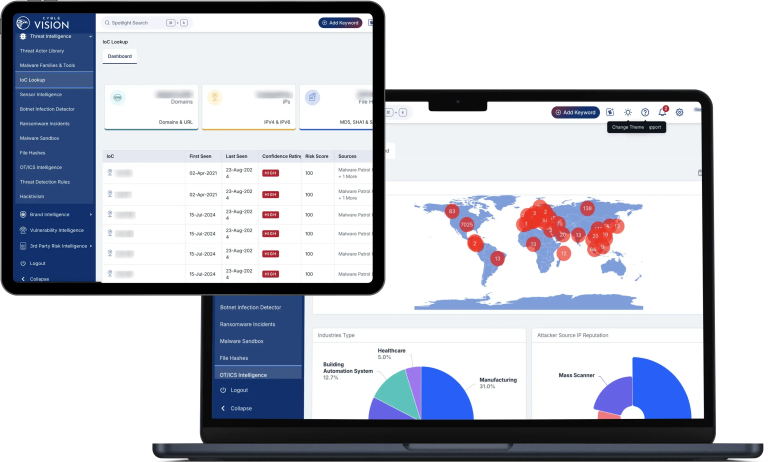
A Threat Intelligence Platform (TIP) is critical for aggregating, analyzing, and disseminating cyber threat data across an organization. This platform provides businesses with the context they need to make informed decisions about cybersecurity and helps streamline their incident response efforts.
Threat Intelligence Platforms enhance threat detection capabilities, reduce response times, and bolster overall security by providing real-time, contextual intelligence. They help organizations quickly identify risks, allowing them to prioritize and act on them before damage occurs. With AI-powered analytics, TIPs are also capable of recognizing patterns in malicious behavior and detecting threats earlier in the attack lifecycle, thus reducing the potential impact of cyber-attacks.

How Does a Threat Intelligence Platform Work?

A Threat Intelligence Platform uses various AI-powered techniques to aggregate data from different sources, including open-source intelligence (OSINT), dark web monitoring, and internal system logs.
Machine learning models continuously analyze these data streams to identify potential threats. By correlating data from these sources, the platform provides a comprehensive view of the threat landscape and enables security teams to prioritize actions based on risk level and threat severity.
Moreover, AI-driven threat detection allows businesses to automatically identify new and emerging attack vectors without manual intervention. These systems continuously learn and adapt, ensuring that the defense mechanisms stay updated and relevant against new threats. This automated approach leads to faster threat identification, reducing the time between detection and response.
Key Benefits of AI-Driven Threat Intelligence
- Faster Detection and Response: One of the primary benefits of AI-driven threat intelligence is its ability to detect threats faster than traditional methods. AI models can analyze large datasets at unprecedented speeds, identifying anomalies and indicators of compromise in real-time. This reduces the time it takes for businesses to respond to potential security incidents.
- Proactive Defense: AI enables enterprises to shift from a reactive to a proactive security posture. By predicting potential attack methods and identifying patterns before an attack occurs, AI-driven threat intelligence allows organizations to mitigate risks before they turn into serious security breaches.
- Improved Decision-Making: With the help of AI in cybersecurity, businesses can make data-driven decisions that are more informed and timelier. AI tools can prioritize threats based on their potential impact, ensuring that security teams focus on the most critical issues first.
- Scalability: As the volume of cyber threats increases AI-driven threat intelligence offers a scalable solution that can handle vast amounts of data without the need for proportional increases in human resources. This automation allows organizations to keep up with the growing complexity of cyber threats without overburdening their security teams.
- Reduced Human Error: Traditional methods of threat detection and analysis rely heavily on human expertise, which can be prone to errors and inconsistencies. AI-driven systems minimize the risk of human mistakes, ensuring a more accurate and efficient approach to cybersecurity.
Combating Phishing and Social Engineering Attacks with AI
Phishing and social engineering attacks have become more advanced, often leveraging AI to create highly convincing fake emails and messages. Cybercriminals can use AI tools to analyze a target’s behavior, preferences, and writing style to craft phishing emails that appear trustworthy. With AI-driven threat intelligence, organizations can detect these attacks before they succeed.
For example, AI can be used to scan emails for indicators of social engineering attacks and prevent them from reaching their intended victims. Additionally, AI-driven systems can monitor social media platforms, identify fake profiles, and flag potential phishing attempts in real time.
In one notable case, cybercriminals employed AI-generated profiles to impersonate high-ranking executives on LinkedIn, launching targeted phishing campaigns that exploited the trust associated with these fake identities. By using AI-based security solutions, organizations can identify such threats more quickly and reduce the risk of a successful attack.
How Does AI Enhance Cybersecurity?
AI threat intelligence plays a huge role in enhancing cybersecurity today. It acts like a digital watchdog, constantly scanning data for threats that humans might miss. With AI threat intelligence, systems can detect anomalies, adapt to new attack methods, and even respond in real-time. Instead of waiting for known threat signatures, AI proactively identifies suspicious behavior, making it a game-changer in defending against modern cyberattacks.
Why Enterprises Need Threat Intelligence in 2025
In today’s fast-moving digital world, AI threat intelligence isn’t just helpful—it’s essential. Enterprises face sophisticated cyber threats daily, and having smart, adaptive systems that learn from threats is critical. AI threat intelligence gives organizations deeper visibility into threat landscapes, helping them prepare for and neutralize attacks before they cause damage. It’s not just about data; it’s about actionable, intelligent insights.
AI vs Traditional Threat Detection: What’s the Difference?
The biggest difference? Traditional threat detection relies on known patterns, while AI threat intelligence learns and evolves. Traditional tools might catch yesterday’s threats, but AI threat intelligence is built for the unknown. It analyzes behavior, learns from past incidents, and adapts over time. That means fewer false positives and a much faster response to new and emerging threats—something legacy systems just can’t keep up with.
Types of Threat Intelligence: Strategic, Tactical, Operational, and Technical
AI threat intelligence applies across all four types—strategic, tactical, operational, and technical. For strategic insights, AI analyzes long-term threat trends. Tactically, it identifies attacker TTPs (tactics, techniques, and procedures). Operationally, it delivers real-time alerts, and technically, it automates data feeds like malicious IPs and URLs. AI threat intelligence helps turn raw data into usable intelligence tailored to different layers of defense.
Real-Time vs Predictive Threat Intelligence
AI threat intelligence shines in both real-time and predictive scenarios. In real time, it spots threats as they happen, giving security teams an immediate heads-up. But what’s even more powerful is how AI threat intelligence can predict future attacks. By analyzing trends, behaviors, and past incidents, it forecasts potential threats, allowing organizations to take preventive action. That’s a level of foresight that traditional tools just can’t match.
Components of an AI-Driven Threat Intelligence Platform
An AI threat intelligence platform is made up of several moving parts: data ingestion tools, machine learning models, real-time dashboards, and automation engines. These platforms pull from a wide range of sources—dark web forums, commercial feeds, social media—and use AI to sort and analyze it all. With AI threat intelligence at the core, these systems can turn mountains of raw data into real-world threat insights almost instantly.
Benefits of AI-Driven Threat Intelligence for Enterprises
There’s a reason more enterprises are adopting AI threat intelligence: it delivers results. It reduces noise by filtering out irrelevant alerts, detects threats faster, and provides more accurate, contextual intelligence. AI threat intelligence platforms also help companies prioritize risks, enabling faster and smarter decision-making. Simply put, it’s a powerful ally in keeping businesses protected from increasingly complex cyber threats.
Threat Intelligence APIs and Data Feeds
Many tools now rely on AI threat intelligence APIs and data feeds to stay updated. These feeds deliver critical threat indicators—like malware hashes or phishing URLs—right into your systems. When powered by AI threat intelligence, these feeds aren’t just reactive—they’re predictive. That means your firewalls and SIEM tools are ready for tomorrow’s threats, not just today’s.
Roles in an AI-Driven Threat Intelligence Team
In a team built around AI threat intelligence, every role has a high-tech edge. Analysts work with AI to interpret patterns and incidents, while data scientists train the machine learning models behind it all. Engineers ensure that AI threat intelligence tools integrate smoothly with existing infrastructure, and incident responders rely on their alerts to act fast. Together, this team turns AI threat intelligence into an operational advantage.
The Future of AI in Cybersecurity
As the adoption of AI continues to grow throughout 2025, enterprises need to prioritize the implementation of AI-driven defense mechanisms. AI-driven threat intelligence will play a pivotal role in the future of cybersecurity, enabling businesses to anticipate and neutralize cyber threats in real-time. However, as AI tools evolve, so too will the tactics of cybercriminals, creating a dynamic and ongoing battle between defenders and attackers.
To stay protected, organizations need to integrate AI-based security solutions into their broader cybersecurity strategy. AI-driven threat detection, machine learning in cybersecurity, and automated threat intelligence will be vital for protecting sensitive data and maintaining the security of enterprise systems.
Conclusion
The need for comprehensive cybersecurity solutions has never been greater, and AI-driven threat intelligence is at the forefront of this defense strategy.
By providing real-time insights, predictive analytics, and automated threat response, AI-powered tools help enterprises understand and respond to cyber threats. Since business globally face cyberattacks daily, leveraging AI for cybersecurity automation and AI-based security solutions will be key to maintaining proper defences against cyber threats.
Frequently Asked Questions (FAQs) about AI-Driven Threat Intelligence
What is AI-Driven Threat Intelligence?
AI-Driven Threat Intelligence uses artificial intelligence and machine learning to analyze cyber threat data, detect emerging threats, and help organizations proactively defend against cyber-attacks.
How does AI-driven threat intelligence improve cybersecurity?
AI helps detect threats faster, predict potential attacks, and prioritize responses based on risk severity, enabling a more proactive and efficient security approach.
What benefits does an AI-integrated Threat Intelligence Platform (TIP) offer?
AI-enhanced TIPs provide faster threat detection, real-time intelligence, reduced response times, and improved decision-making, automating threat analysis for more accurate responses.
How does AI prevent phishing and social engineering attacks?
AI identifies suspicious emails and fake profiles by analyzing communication patterns, flagging potential phishing attempts, and preventing malicious messages from reaching targets.
What is the future of AI in cybersecurity?
AI will continue to play a crucial role in predicting, detecting, and neutralizing cyber threats. As cyber threats evolve, businesses must integrate AI-based solutions to stay ahead and protect their systems.
How does AI Threat Intelligence work in real time?
AI Threat Intelligence continuously monitors data sources, analyzes behaviors, and uses predictive algorithms to identify potential threats before they cause harm.