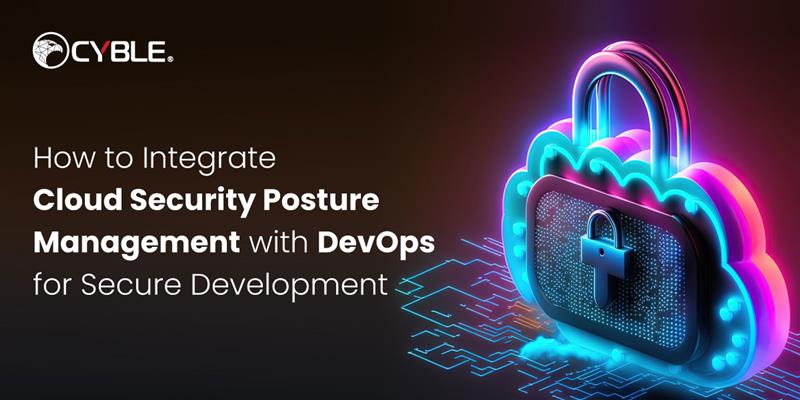
The cloud has revolutionized the way businesses build and deploy applications, enabling speed, scalability, and efficiency. But with this rapid innovation comes a serious challenge—security. Misconfigurations, compliance lapses, and vulnerabilities can expose cloud environments to cyber threats, making security a top priority for organizations.
This is where Cloud Security Posture Management (CSPM) steps in. Imagine having an intelligent security watchdog that continuously scans your cloud environment, detects risks before they escalate, and ensures compliance without disrupting your workflows. That’s exactly what CSPM does. However, to maximize its effectiveness, CSPM needs to be seamlessly integrated into DevOps processes—ensuring security isn’t an afterthought but a continuous, automated practice.
In this article, we’ll explore how organizations can achieve secure development with CSPM by embedding it into DevOps workflows. We’ll dive into the benefits, key strategies, and best practices for CSPM DevOps integration—helping businesses stay secure without slowing down innovation.
Understanding Cloud Security Posture Management (CSPM)
Cloud Security Posture Management refers to a set of automated security tools that help organizations manage their cloud security risks by continuously monitoring configurations and compliance standards. CSPM solutions provide visibility into cloud assets, identify vulnerabilities, and offer remediation recommendations.
Key capabilities of CSPM solutions include:
- Continuous monitoring of cloud infrastructure
- Automated compliance reporting
- Risk assessment and misconfiguration detection
- Integration with security and compliance frameworks
Why Integrate Cloud Security Posture Management with DevOps?
DevOps emphasizes automation and continuous delivery, but security is often overlooked in fast-paced development cycles. Integrating CSPM tools with DevOps ensures that security is embedded throughout the development lifecycle, minimizing vulnerabilities and improving cloud security in DevOps.
Benefits of CSPM DevOps Integration
- Early Risk Detection – CSPM solutions identify misconfigurations and security threats early in the development process, reducing the risk of security breaches.
- Automated Compliance Enforcement – CSPM tools enforce security policies automatically, ensuring compliance with industry standards such as NIST, CIS, and ISO 27001.
- Enhanced Visibility – Developers gain insights into security risks through dashboards and alerts, enabling proactive mitigation.
- Streamlined DevSecOps Implementation – CSPM tools integrate with DevOps pipelines to enable secure development with CSPM.
- Reduced Manual Effort – Automated monitoring eliminates the need for manual security assessments, improving efficiency.
Steps to Integrate CSPM with DevOps for Secure Development
1. Assess Security Requirements and Cloud Environment
Before integrating CSPM solutions, organizations should assess their cloud environment, identifying security gaps and regulatory requirements. This step ensures that the right cloud security posture management tools are selected to align with security objectives.
2. Choose the Right CSPM Solutions
Selecting the right CSPM tools is crucial for seamless integration with DevOps. Factors to consider include:
- Compatibility with cloud service providers
- Support for automated security checks and policy enforcement
- Integration with CI/CD pipelines
- Real-time threat detection and response capabilities
3. Automate Security Checks in CI/CD Pipelines
CSPM tools should be integrated into continuous integration and continuous deployment (CI/CD) pipelines to enforce security best practices during code deployment. This ensures that security vulnerabilities are detected before reaching production environments.
4. Implement Role-Based Access Control (RBAC)
To enhance security, organizations should configure role-based access control (RBAC) within CSPM solutions. This ensures that only authorized personnel have access to security settings and sensitive data.
5. Continuous Monitoring and Incident Response
Cloud security best practices in DevOps emphasize continuous monitoring and incident response. CSPM tools should provide real-time alerts, enabling security teams to address potential threats before they escalate.
6. Train DevOps Teams on CSPM Tools
DevOps teams should receive training on CSPM tools to understand security configurations, compliance requirements, and risk mitigation strategies. Educating developers on DevSecOps cloud posture management strengthens overall security posture.
Key Features of Cloud Security Posture Management Tools for DevOps
When integrating CSPM with DevOps, organizations should look for CSPM tools with the following features:
- Automated Remediation – The ability to automatically fix misconfigurations and vulnerabilities.
- Threat Intelligence – Integration with brand monitoring services for proactive threat detection.
- Multi-Cloud Support – Compatibility with different cloud platforms for comprehensive security coverage.
- Compliance Audits – Real-time compliance assessments to ensure adherence to security standards.
- API Integrations – Seamless connectivity with DevOps tools.
Cyble’s Cloud Security Posture Management Solution
Cyble offers a comprehensive Cloud Security Posture Management solution designed to enhance cloud security in DevOps environments. Cyble’s CSPM tools provide real-time visibility, automated compliance checks, and proactive threat intelligence, helping organizations maintain a secure cloud infrastructure.
By integrating seamlessly with DevOps workflows, Cyble’s solution ensures that security is enforced throughout the software development lifecycle.
Additionally, its integration with brand monitoring services enhances threat detection and response capabilities, reducing risks associated with cloud misconfigurations.
Conclusion
Integrating Cloud Security Posture Management with DevOps is crucial for building secure cloud-native applications.
By leveraging CSPM solutions, organizations can automate security compliance, detect threats early, and enforce cloud security best practices in DevOps. As cyber threats continue to evolve, adopting a proactive approach to cloud security through CSPM DevOps integration will help organizations mitigate risks and ensure secure development with CSPM.
Organizations should choose strong CSPM tools, such as those offered by Cyble, to strengthen their cloud security posture and protect their digital assets effectively.