Today, cybersecurity influences nearly every aspect of our daily lives, whether we are shopping online, working remotely, or just browsing in general. That reality is why cybersecurity awareness is more important than ever.
Cybersecurity awareness does not just mean knowing what is out there threatening our safety; it also means knowing how to respond to those threats.
Every October, organizations and governments are involved with Cybersecurity Awareness Month globally, which is a reminder that cyber threats do not stop and neither should our defense.
In fact, the Department of Homeland Security (DHS) and the Cybersecurity and Infrastructure Security Agency (CISA) announced the formal start of Cybersecurity Awareness Month 2025 with their focus of “Building our cyber safe culture.” The idea behind it is basic: everyone from individuals to small businesses to government agencies maintains the safety of our digital world.
Why Cybersecurity Awareness is Important
Consider cybersecurity awareness as road safety. You do not have to be a mechanic to cross the street safely or follow traffic lights. Likewise, one need not be a computer scientist to protect oneself in the online world. But negligence, such as clicking suspicious links or using weak passwords, will put you and others at risk.
In a financial firm, let’s say an employee receives a phishing email apparently sent by a client asking for some information. If the employee is not trained about cybersecurity awareness, they are likely to click on the malicious link and give the hackers access to the financial data, which can result in losses worth millions and serious damage to the firm’s reputation.

Hence, organizations conduct cyber awareness training for their employees. This training helps working staff recognize the threats and handle sensitive data safely or take appropriate actions when something feels off.
If an employee can identify suspicious objects, the business is less likely going to be targeted for ransomware, data theft, or fraud.
Cybersecurity Awareness Month and Its Impact
October represents Cybersecurity Awareness Month, with ever-changing themes each year aiming to promote secure behaviors. For 2025, DHS and CISA Cybersecurity Awareness Month are calling upon businesses, state and local governments, and individuals to shore up the cyber culture.
The campaign emphasizes that critical infrastructure of, say, water, healthcare, finance, and communications, is targeted by attackers. Disruptions in these systems would definitely cause ripple effects through communities.
Both companies and governments have to make security awareness training a daily habit to better counter such threats.
Throughout this national cybersecurity awareness month, you can expect such programs as online events and workshops intended to increase the awareness of their digital behavior. This is also an excellent window for organizations to review security policies, train employees, and update systems.
The Importance of Cybersecurity Awareness Training
Cybersecurity threats are constantly changing. What saved you from an attack last year may not be enough to protect you this year. This is when cybersecurity awareness training for employees becomes invaluable; this training isn’t solely about theory, but rather the day-to-day actions employees may take, when necessary.
For example:
- Recognizing a phishing email.
- Enabling multifactor authentication.
- Selecting strong, distinct passwords.
- Reporting suspicious behavior at the earliest signs.
Employees that undergo training on a regular basis become the first line of defense. They can potentially identify and stop threats before they do damage.
With small and medium-sized organizations, where resources may often be stretched thin, it can be the difference between remaining secure and becoming a victim of an attack.
Best Tips for Building Cybersecurity Awareness
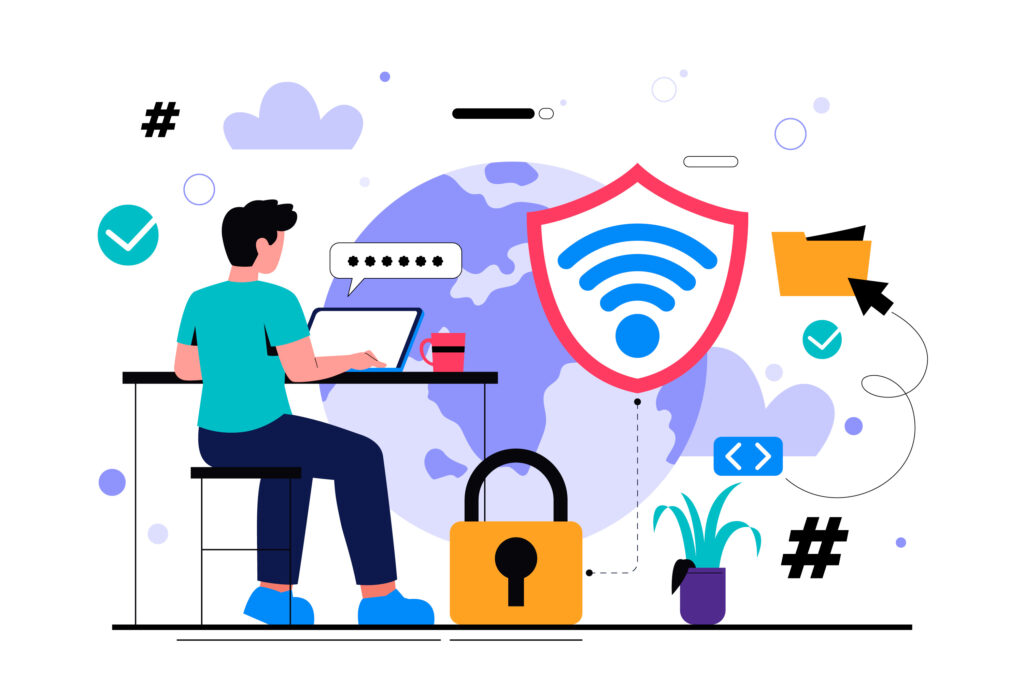
Raising cybersecurity awareness doesn’t always need complex solutions. Often, it comes down to simple habits that, when practiced consistently, create a safer environment. Here are some proven strategies:
- Recognize and report phishing – Don’t trust emails or messages that pressure you into clicking a link or sharing personal data. Always verify first.
- Use strong passwords – Avoid “123456” or “password.” Create unique, random, and long passwords for every account.
- Turn on multifactor authentication (MFA) – Even if someone steals your password, MFA adds an extra lock.
- Update your systems – Software updates often contain patches for security flaws. Skipping them leaves doors open for hackers.
- Back up data regularly – If ransomware strikes, backups allow you to recover without paying criminals.
- Encrypt sensitive data – Whether it’s customer details or business plans, encryption makes stolen data unreadable.
Each of these steps may sound small, but combined, they create a strong security culture.
While awareness is the foundation, businesses also need the right tools to stay ahead of cyber threats. That’s where companies like Cyble come in.
Cyble provides organizations with real-time threat intelligence and attack surface management solutions. This helps businesses identify vulnerabilities before attackers exploit them.
By combining technology with cybersecurity awareness training, companies can build resilience and act quickly when threats arise.
Cyble’s solutions don’t replace awareness—they enhance it. Think of it like having both a smoke alarm and fire drills. One warns you, the other prepares you to act. Together, they reduce the risk of long-term damage.