Cyber threats today don’t just appear out of nowhere, they evolve, adapt, and often stay hidden until it’s strikes. And therefore, for many organizations, the real challenge isn’t the lack of security tools, but the inability to understand what these cyber threats actually mean. This is where the types of threat intelligence come into picture.
Instead of rushing to mend the damage once it is done, threat intelligence helps organizations anticipate attacks, understand attacker behavior, and make smarter security decisions. However, not all intelligence serves the same purpose.
Some threat intelligence guide long-term strategy, while others help stop attacks in real time. Therefore, understanding the types of threat intelligence is key to building a resilient cybersecurity posture. Read on to know the key differences between the types of threat intelligence and what works best for your organization.
Understanding Types of Threat Intelligence
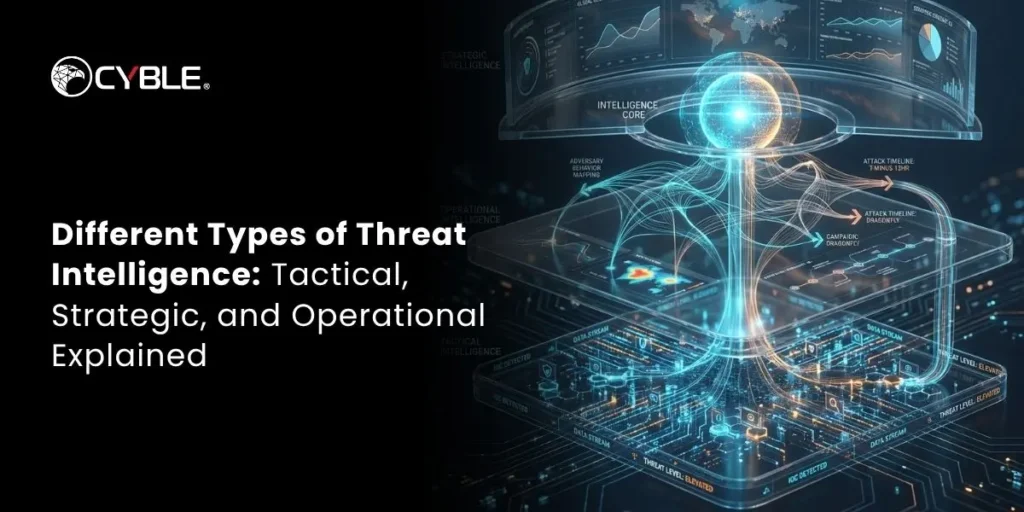
The types of threat intelligence can be divided into four categories: tactical, strategic, operational, and technical. They may seem similar at first glance, the difference lies in their focus. Each of these plays a different role in helping organizations interpret threats and respond effectively.
Strategic intelligence looks at the bigger picture, tactical intelligence focuses on attack methods, operational intelligence tracks active threats, and technical intelligence deals with indicators that power detection systems. Let’s understand each one of them with the help of table given below:
Comparison Table: Types of Threat Intelligence
| Intelligence Type | Focus Area | Audience | Key Benefit | Time Sensitivity |
| Tactical threat intelligence | Attack patterns, TTPs | Security teams | Improves defense mechanisms | Medium |
| Strategic threat intelligence | Trends, risks, business impact | Executives | Enables informed decisions | Low |
| Operational threat intelligence | Active threats, campaigns | SOC teams | Supports fast response | High |
| Technical threat intelligence | Indicators like IPs, hashes | Tools & analysts | Automates detection | Very High |
Tactical Threat Intelligence – Understanding How Attacks Happen
Tactical threat intelligence focuses on the “how” behind cyberattacks. It examines the tactics, techniques, and procedures used by threat actors, helping security teams understand how intrusions actually unfold.
This type of intelligence is particularly useful for strengthening defenses. By studying attacker behavior, organizations can fine-tune detection rules, close security gaps, and make their systems more resilient.
Among the types of threat intelligence, tactical intelligence is closest to the day-to-day work of cybersecurity analysts.
Strategic Threat Intelligence- Seeing the Bigger Picture
While tactical intelligence operates at ground level, strategic threat intelligence takes a step back. It provides a broader view of the threat landscape, focusing on trends, industry risks, and potential business impact.
This is the kind of intelligence that informs leadership decisions. It helps executives understand where threats are coming from, which sectors are being targeted, and how cybersecurity investments should be prioritized. When organizations fully leverage this layer of the types of threat intelligence, they are better equipped to align security with business objectives.
Operational Threat Intelligence – Tracking Active Threats
Operational threat intelligence bridges the gap between strategy and execution. It focuses on real-world threats that are currently unfolding or about to happen.
This includes insights into threat actors, their motivations, and ongoing campaigns. For security operations teams, this intelligence is critical because it enables faster and more informed responses.
Compared to other types of threat intelligence, operational intelligence is highly time-sensitive and often determines how quickly an organization can contain an attack.
Technical Threat Intelligence – Powering Detection Systems
Technical threat intelligence deals with specific indicators such as malicious IP addresses, file hashes, and suspicious domains.
These indicators are often fed directly into security tools, enabling automated detection and response. While technical intelligence may have a shorter lifespan, it plays a crucial role in immediate threat mitigation.
When discussing cyber threat intelligence types, this layer acts as the backbone of real-time security operations.
Why Understanding Types of Threat Intelligence Matters
Many organizations collect vast amounts of security data but struggle to turn it into meaningful action. Understanding the types of threat intelligence changes that.
It allows teams to prioritize what matters, respond faster to incidents, and make decisions based on context rather than guesswork. More importantly, it ensures that cybersecurity is not just reactive, but proactive and aligned with business needs.
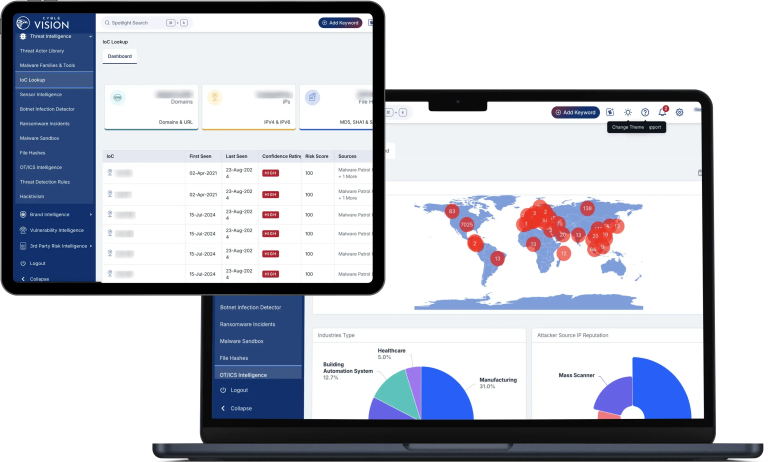
To truly benefit from the different types of threat intelligence, organizations need a platform that brings everything together. This is where Cyble’s Cyber Threat Intelligence Platform makes a difference.
Cyble provides a unified, end-to-end view of the threat landscape by collecting intelligence from the surface, deep, and dark web. With advanced analytics, automation, and AI-driven insights, it enables security teams to detect risks earlier and respond faster.
Instead of dealing with fragmented data, organizations gain actionable intelligence that helps them anticipate threats before they turn into incidents. By integrating all types of threat intelligence into a single platform, Cyble empowers enterprises, governments, and critical sectors to strengthen resilience and stay ahead of evolving adversaries.
Stay Ahead with Proactive Intelligence
The ability to understand and act on the types of threat intelligence determines how effectively an organization can handle modern threats.
With a proactive approach powered by platforms like Cyble, businesses can move from reactive firefighting to informed decision-making, ensuring stronger and more adaptive security strategies.
Ready to turn intelligence into action?
Request a demo of Cyble’s Cyber Threat Intelligence Platform and see how real-time, actionable insights can transform your security approach.
FAQs: Types of Threat Intelligence
1. What are the main types of threat intelligence?
The primary types of threat intelligence include tactical, strategic, operational, and technical intelligence, each serving different roles in cybersecurity.
2. How is tactical threat intelligence different from operational threat intelligence?
Tactical threat intelligence focuses on attacker methods, while operational threat intelligence focuses on active threats and ongoing campaigns.
3. Why is strategic threat intelligence important?
Strategic threat intelligence helps organizations understand long-term risks and make informed business decisions.
4. What is the role of technical threat intelligence?
Technical threat intelligence provides indicators that help security systems detect and block threats automatically.
5. How can organizations use cyber threat intelligence types effectively?
By combining all cyber threat intelligence types, organizations can create a layered, proactive defense strategy that improves both detection and response.