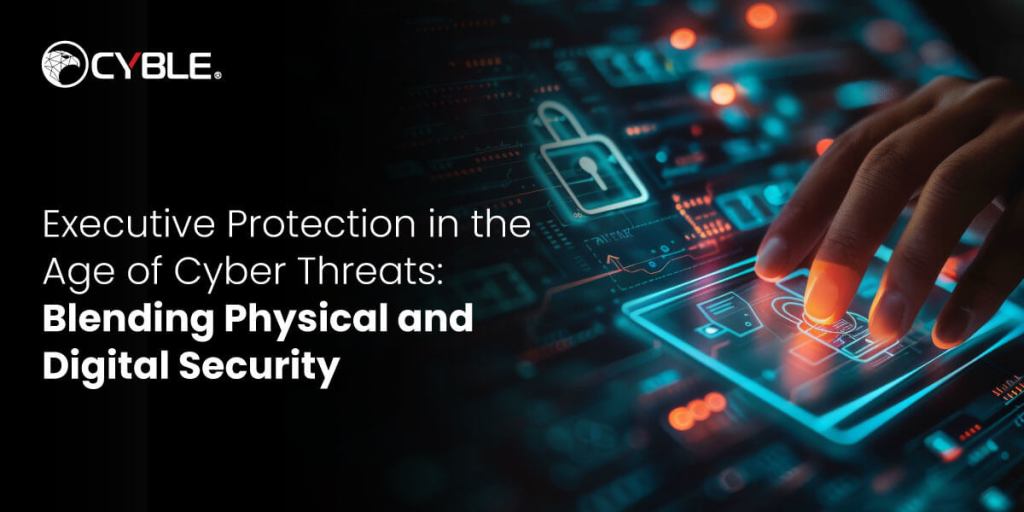
In the ever-evolving landscape of security, protecting high-profile individuals, such as executives, requires a comprehensive approach that combines traditional physical security measures with advanced digital security strategies. Executives are increasingly targeted not only by physical threats but also by cyberattacks, which can disrupt their operations, reputation, and personal safety.
This article delves into the concept of executive protection, the integration of physical and cyber security, and the importance of advanced threat protection in safeguarding leaders from both physical and digital threats.
Defining Executive Protection
Executive protection refers to the practices, strategies, and technologies used to safeguard high-profile individuals, including CEOs, government officials, and other executives, from physical harm and other threats. While traditionally focused on physical security, the modern definition of executive protection has evolved to address the increasing risks posed by cyber threats.
Effective executive cybersecurity is now an essential component of any protection plan. It ensures that an executive’s physical safety, personal information, and digital presence are shielded from malicious actors.
As cybercriminals continue to exploit vulnerabilities in both digital and physical systems, cyber threat protection has become an indispensable element of a comprehensive executive protection strategy.
The New Landscape of Executive Protection
Cybercriminals are leveraging sophisticated techniques to breach systems, steal sensitive data, and disrupt operations. As a result, executives are increasingly vulnerable to a wide range of risks, including identity theft, corporate espionage, and even direct cyberattacks on their personal devices.
The rise of digital security threats, such as ransomware, phishing, and social engineering, makes it critical to integrate advanced threat protection into executive protection plans. High-profile targets are often at risk from both physical threats and digital attacks, which can have devastating consequences on their business and personal lives. For example, a cyberattack on an executive’s mobile device or email can lead to a significant security breach, which in turn could create physical threats, such as the targeting of family members or critical business meetings.
Integrating Physical and Cyber Security Measures
The integration of physical and cyber security measures is essential to provide a holistic protection plan for executives. Traditionally, physical security involved the use of bodyguards, secure transportation, and surveillance to monitor for threats. Today, however, this is only one aspect of the security equation. As cyber threats continue to evolve, protecting an executive’s digital footprint is equally important.
Key components of this integrated approach include:
- Enhanced Protection for Multiple Critical Locations: Effectively manage the safety and security of critical locations related to executive presence, such as offices, travel destinations, and important infrastructure. One can prioritize security efforts based on threat intelligence, ensuring executives are safeguarded at high-risk locations.
- Comprehensive Digital Security Solutions: Protecting executives’ online presence through encryption, multi-factor authentication, secure communication channels, and advanced malware detection.
- Real-time Monitoring: Employing both physical and cyber security experts to monitor and respond to threats in real-time, ensuring a rapid response to potential dangers, whether digital or physical. Additional, one can stay informed with alerts delivered via the platform, email, WhatsApp, or SMS, ensuring constant awareness of emerging threats.
- Customizable Alerts for Executive Safety: Configure alert settings to address specific safety concerns, ensuring you receive timely and relevant updates for executives. One can choose the best communication method to receive critical safety information in real-time and stay connected when it matters most.
- Emergency Protocols: Creating plans that encompass both physical security in cybersecurity and traditional safety measures, allowing for coordinated responses in the event of a breach.
- Global Threat Visualization for Executive Summary: View global threat patterns with an interactive map that provides deep insights and customizable filters for executive protection. Moreover, monitor threats that could impact executives, ranging from natural disasters and civil unrest to terrorist activity and severe weather conditions.
Executive cybersecurity should be treated as an extension of physical security — they are not separate entities but rather two sides of the same coin. By aligning the two, organizations can create an environment where an executive is safe both in the real world and in the virtual one.
Mitigating Strategies for Enhanced Protection
To effectively mitigate the risks posed by both physical and digital threats, several strategies can be employed:
- Security Awareness Training: Executives and their teams must be educated about common cyber threats, such as phishing, social engineering, and password management. This training is essential for reducing the likelihood of successful cyberattacks.
- Data Encryption: Encrypting sensitive data ensures that even if digital assets are compromised, the information remains protected and unreadable to unauthorized parties.
- Endpoint Protection: Implementing advanced threat protection on all devices used by the executive — including smartphones, laptops, and tablets — is essential to prevent attacks from infiltrating the system.
Geofencing and GPS Tracking: Physical security solutions such as geofencing and GPS tracking can help monitor the executive’s location and ensure their safety in real-time.
- Secure Communication Channels: Use of encrypted messaging platforms and secure email systems ensures that communications are protected from interception and hacking attempts.
Physical Threats Informed by the Digital Realm
As technology advances, physical security is no longer just about protecting an executive from physical harm in the real world; it’s also about anticipating physical threats that may be informed by digital activity. For example, cybercriminals can gather intelligence from social media accounts or compromised email communications to track an executive’s movements and actions. This can lead to physical threats such as attempted break-ins, abductions, or even targeted attacks.
To combat this, executives must:
- Be cautious about what they share online, especially regarding travel schedules and location details.
- Use physical security in cybersecurity to guard against attackers who may use digital channels to target family members, colleagues, or other associates of the executive.
Security teams should also employ integrated systems that track both physical and digital movements, ensuring executives are safe in both realms.
Bridging the Gap with Protective Intelligence
One effective way to blend physical and digital security is through protective intelligence. Protective intelligence is the process of collecting and analyzing information from both the physical and digital worlds to identify potential threats. By using this intelligence, security teams can anticipate and mitigate risks before they escalate.
Protective intelligence involves:
- Monitoring social media for threats or mentions of the executive.
- Tracking online discussions or forums where individuals may discuss targeting executives or their families.
- Using intelligence tools that gather information on cybercriminals, hackers, and other potential threats in the digital space.
By leveraging both cyber threat protection and traditional security methods, businesses can ensure a comprehensive protection strategy for executives.
The Importance of Cybersecurity in Executive Protection Strategies
Integrating digital security solutions into executive protection strategies is crucial for preventing both cyber threats and physical security risks.
Key reasons for prioritizing executive cybersecurity include:
- Personal and Corporate Safety: Cyberattacks on executives can compromise sensitive business data and personal safety. A compromised system can lead to the exposure of financial details or executive itineraries, which can put the individual at risk.
- Reputation Management: A data breach or cyberattack targeting an executive can lead to reputational damage for both the individual and the company. Protecting against these threats ensures that executives remain secure, and their business operations continue unhindered.
- Compliance and Legal Risks: Organizations must adhere to data protection regulations, such as GDPR or HIPAA. Failure to protect an executive’s digital assets could result in significant legal and financial consequences.
Conclusion
Executive protection is no longer just about securing physical spaces. It requires a well-rounded, integrated approach that includes both physical and cyber security measures.
By combining traditional physical security in cybersecurity with advanced threat protection, businesses can ensure the safety and privacy of their executives in an increasingly connected world.
With proper cyber threat protection, executive cybersecurity, and the integration of digital security solutions, organizations can mitigate risks and safeguard their leaders from both physical and digital harm.
The future of executive protection lies in blending both physical and cyber security measures to create a comprehensive, forward-thinking strategy that is essential for today’s executives.
Executive Monitoring: Deepfakes, Physical Threats Create New Risks

FAQs on Executive Protection
What is executive protection and why is it important?
Executive protection ensures the safety of high-profile individuals, such as CEOs and business leaders, from both physical and digital threats. As cyberattacks become more common, integrating digital security with traditional physical protection is essential for comprehensive safety.
How do physical and digital security work together in executive protection?
Physical security includes measures like bodyguards and secure travel, while digital security protects against cyber threats such as data breaches and hacking. Combining both ensures that executives are safeguarded from all types of risks, both online and offline.
What are the key digital security measures for executives?
Key measures include encryption, two-factor authentication, endpoint protection, and secure communication systems. These tools help protect sensitive information and ensure executives’ digital safety from cyber threats.
What is doxing and how does it affect executives?
Doxing is the practice of publicly revealing personal information, often from online sources. For executives, it can lead to identity theft, harassment, and physical threats, which is why protecting personal information online is critical.
Why is protective intelligence important for executive security?
Protective intelligence gathers and analyzes both digital and physical threat data to predict and mitigate potential risks. This proactive approach helps security teams identify threats early and take preventive measures, ensuring the executive’s safety.
What is Executive Protection Monitoring?
Executive protection monitoring involves real-time tracking and surveillance of high-level executives to identify and respond to potential security threats, ensuring their safety both online and offline.
What is Executive Threat Intelligence?
Executive threat intelligence involves collecting and analyzing data to identify potential risks specifically targeting senior leaders, helping organizations proactively defend executives from cyberattacks and other security threats.
What is Executive Risk Management?
Executive risk management involves identifying, assessing, and mitigating potential threats to senior leaders, ensuring their safety and protecting sensitive business information from cyberattacks, physical harm, and other risks.
What are Executive Cybersecurity Solutions?
Executive cybersecurity solutions are specialized security measures designed to protect senior leaders from cyber threats, including phishing, data breaches, and account takeovers, ensuring the safety of their sensitive information and communications.
What are Executive Monitoring Services?
Executive monitoring services involve tracking and analyzing the digital activities of high-level executives to detect potential security threats, ensuring their online safety and protecting sensitive business information.
What is Executive Security Intelligence?
Executive security intelligence involves gathering and analyzing data to identify and assess security risks targeting senior leaders, helping organizations take proactive measures to protect executives from cyberattacks and other threats.
What is C-Suite Threat Intelligence?
C-Suite threat intelligence involves collecting and analyzing data to identify and mitigate security risks specifically targeting top executives, helping protect them from cyberattacks and other threats.
What are Executive Risk Monitoring Tools?
Executive risk monitoring tools are security solutions that track and analyze potential threats to senior executives, helping organizations detect, assess, and respond to risks that could impact their safety or sensitive information.
What is Senior Executive Threat Protection?
Senior executive threat protection involves specialized security measures to safeguard top executives from cyberattacks, physical threats, and other risks, ensuring their safety and the security of sensitive information.