With rapid digital advancements, the sophistication and frequency of cyber threats are escalating at an unprecedented rate. As organizations strive to safeguard their sensitive information and infrastructure, Security Operations Centers (SOCs) have become crucial in detecting, analyzing, and responding to cyber threats. Operational threat intelligence (OTI) is pivotal in enhancing SOC capabilities.
Understanding Operational Threat Intelligence
Operational Threat Intelligence (OTI) is specific, actionable intelligence that SOCs use to detect and respond to cyber threats. Unlike strategic or tactical threat intelligence, which provides broader insights, OTI focuses on immediate threats and includes details like Indicators of Compromise (IOCs), Tactics, Techniques, and Procedures (TTPs) used by adversaries, and other detailed threat data.
The Role of OTI in Enhancing SOC Capabilities
1. Automated Threat Detection
One significant benefit of integrating OTI into SOC operations is its capability to automate threat detection. With the help of machine learning (ML) algorithms and historical security data, OTI can identify the signatures of known threats. Once trained, these algorithms continuously monitor network traffic, system logs, and other data sources in real-time, flagging any activity that matches the patterns of known threats. This automation reduces the burden on human analysts, allowing them to focus on more complex and strategic tasks.
Key Benefits:
– Increased Speed: Real-time monitoring and detection reduce the time taken to identify threats.

-Consistency: Automated systems provide consistent threat detection without fatigue or human error.
– Scalability: Automation can handle a vast amount of data, making it suitable for organizations of any size.
2. Anomaly Detection
Beyond identifying known threats, OTI excels at detecting anomalies—unusual patterns of behavior that might indicate a new or unknown threat. For example, an OTI system might detect an unusual spike in network traffic at odd hours or an unexpected login from a foreign IP address. By flagging these anomalies, OTI helps SOCs identify potential threats that might otherwise go unnoticed.
Key Benefits:
– Proactive Defense: Early detection of unusual activities enables SOCs to mitigate potential threats before they escalate.
-Adaptive Learning: Continuous learning from observed anomalies helps in refining the detection algorithms.
3. Predictive Analytics:
OTI is not just about identifying current threats but also about predicting future ones. By analyzing historical data, OTI can identify trends and patterns that might indicate an emerging threat. For example, if a particular type of malware is becoming more prevalent, an OTI system might predict an increase in similar attacks. This predictive capability allows SOCs to take proactive measures, such as updating security policies or deploying additional defenses.
Key Benefits:
-Strategic Planning: Predictive insights aid in better planning and fortifying defenses against future threats.
– Resource Allocation: Knowing potential threats allows for better allocation of resources and preparedness.
4. Incident Response Automation
When a security incident occurs, time is of the essence. OTI can streamline the Incident response process by automating certain tasks. For instance, an OTI-powered system might automatically isolate an infected device from the network or block malicious IP addresses. By automating these actions, OTI helps SOCs respond to incidents more quickly and effectively, minimizing potential damage.
Key Benefits:
– Reduced Response Time: Automated responses ensure quick action reduces the impact of incidents.
– Efficient Workflows: Streamlining incident response processes reduces manual effort and human errors.
5. Enhanced Threat Intelligence Feeds
OTI involves gathering and analyzing information from multiple sources, such as threat feeds, social media, and dark web forums. By integrating diverse data points, OTI enhances threat intelligence, providing a comprehensive view of the threat landscape. This integration helps SOCs stay informed about the latest threats and vulnerabilities, ensuring they are always prepared.
Key Benefits:
– Comprehensive View: A holistic view of threats from various sources improves overall security posture.
– Up-to-date Intelligence: Continuous updates ensure that SOCs have the latest information on emerging threats.
6. Improved Accuracy and Reduced False Positives
One of the challenges SOCs face is the high number of false positives—benign activities mistakenly flagged as threats. OTI improves the accuracy of threat detection by learning from past incidents and refining its algorithms over time. By reducing false positives, analysts can focus on genuine threats, improving the overall efficiency of the SOC.
Key Benefits:
-Enhanced Efficiency: Reduced false positives free up analyst time for addressing real threats.
– Refined Detection: Continuous learning improves the accuracy of threat identification.
Implementing Operational Threat Intelligence in Your SOC
1. Build a Robust Framework
A well-defined SOC framework is essential to effectively leverage OTI. This framework involves clear objectives and roles, appropriate tools and technologies, and continuous monitoring and optimization. SOCs should establish metrics like Mean Time to Detect (MTTD) and Mean Time to Respond (MTTR) to measure their effectiveness.
2. Integrate Advanced Technologies
Leveraging technologies such as Endpoint Detection and Response (EDR), Network Detection and Response (NDR), and Extended Detection and Response (XDR) solutions can significantly enhance visibility across an organization’s infrastructure. These technologies provide real-time threat intelligence and monitor indicators in real-time, ensuring swift threat detection and response.
3. Automate and Optimize Workflows
Automating routine tasks helps streamline SOC operations. From automated threat detection to incident response, automation reduces manual effort, minimizes human errors, and speeds up SOC processes. Investing in AI and ML technologies can further improve the efficiency and effectiveness of SOC operations.
4. Continuous Training and Simulation
Conducting regular training and attack simulations for SOC team members ensures they are well-prepared to handle real-time scenarios. Simulations help identify gaps in the response process and evaluate team readiness, boosting their confidence and improving incident handling procedures.
5. Enhance Threat Intelligence Integration
Integrating automated threat intelligence feeds into SIEM solutions provides real-time information on emerging threats. User and Entity Behavior Analytics (UEBA) tools can analyze behavior patterns using ML techniques to identify anomalies and generate security alerts. Vulnerability management tools help identify and remediate security gaps timely.
Challenges and Considerations
1. High-Quality Data Requirement
OTI algorithms rely on large datasets to learn and make accurate predictions. Incomplete or biased data can compromise the performance of ML models, leading to inefficiencies. Ensuring high-quality data is paramount for effective OTI application.
2. Specialized Skills and Expertise
Implementing OTI requires specialized skills and expertise, which may be lacking in some organizations. Investing in training and hiring skilled professionals is essential to leverage OTI effectively.
3. Adversarial Attacks
Attackers can deliberately manipulate data to deceive OTI models, known as adversarial attacks. SOCs must implement robust security measures to protect their OTI systems from such attacks.
Future of SOCs with Operational Threat Intelligence
As cyber threats continue to evolve, the integration of OTI in SOCs will become increasingly crucial. Future advancements in ML, such as deep learning and reinforcement learning, hold the promise of even greater capabilities. For example, deep learning algorithms can analyze complex data structures, such as images and videos, to detect threats that traditional methods might miss. Reinforcement learning, which trains algorithms through trial and error, could enable SOCs to develop more sophisticated and adaptive defense strategies.
How Cyble Can Help?
Cyble assists in enhancing cybersecurity through its advanced threat intelligence and risk management capabilities. Here’s how Cyble can help:
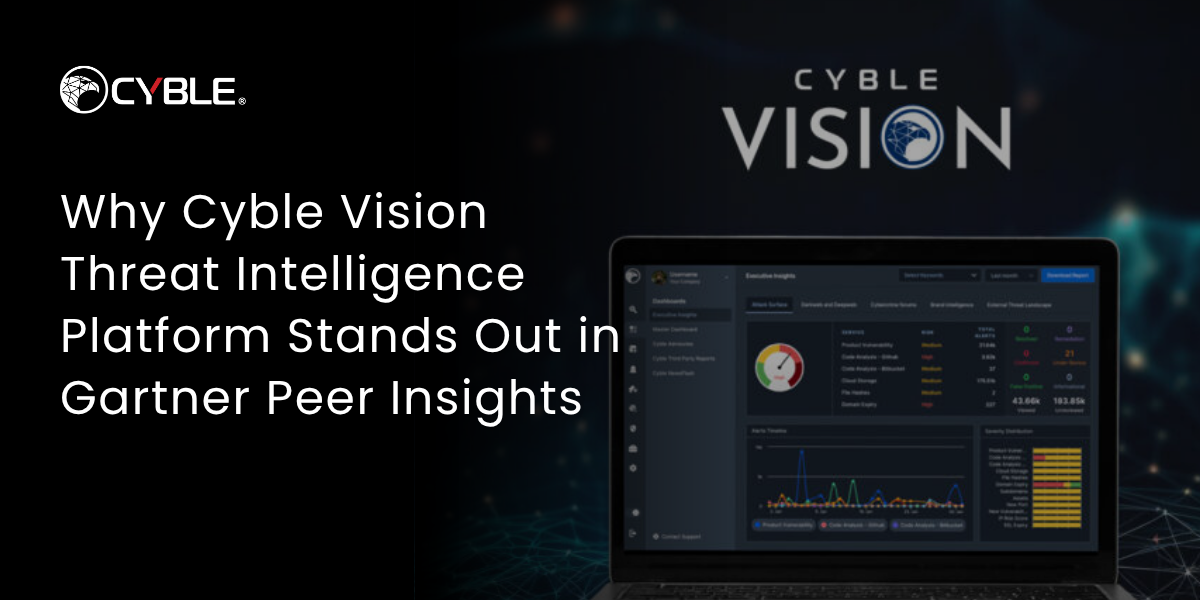
Cyble’s platform provides real-time alerts and actionable threat intelligence, enabling organizations to quickly identify and respond to cyber threats. By continuously monitoring network traffic, system activities, and dark web sources, Cyble ensures timely detection of emerging threats.
Dark Web and Cybercrime Monitoring
Cyble leverages AI to scan the deep and dark web for any mentions of an organization’s data, credentials, or other sensitive information. This early warning system helps in pre-emptively addressing potential breaches and mitigating risks before they escalate.
Automated Data Analysis
Using machine learning, Cyble’s platform can analyze vast datasets to identify patterns, anomalies, and vulnerabilities. This automated data analysis capability reduces the time required to process information, allowing security teams to focus on critical threats.
Incident Response Automation
Cyble’s platform can automate responses to detected threats, such as isolating compromised systems or blocking malicious IP addresses. This capability reduces the window of vulnerability and minimizes the impact of cyberattacks.
Conclusion:
In conclusion, Operational Threat Intelligence is transforming SOC capabilities, making them more efficient, proactive, and resilient. By automating threat detection, identifying anomalies, predicting future threats, and streamlining incident response, OTI helps SOCs stay ahead of the ever-evolving cyber threat landscape. As technology continues to advance, integrating OTI into SOCs will be crucial for maintaining robust cybersecurity defenses, ensuring organizations are always prepared, vigilant, and a step ahead of cyber threats.
By embracing these advanced technologies and best practices, SOCs can efficiently sift through data, identify real threats, and act swiftly, ensuring the security and resilience of their organizations’ digital assets.