What is Threat Intelligence?
Threat intelligence, also called cyber threat intelligence or CTI, is detailed, actionable information used to prevent and fight against cybersecurity threats targeting small to large organizations. It helps the security team to be more proactive and enables them to take effective and data-driven actions to prevent cyberattacks before they occur. In addition, this is an effective way to detect and respond to cyberattacks quickly using a threat intelligence platform and threat intelligence tools.
Types of Threat Intelligence
Understanding the differences between the four types of threat intelligence and how to leverage them through a threat intelligence platform and threat intelligence tools can help you better safeguard your company’s assets.
Technical Threat Intelligence:
Technical threat intelligence is the information that the security team usually receives from their open-source intelligence feeds. Security teams employ technical threat intelligence through their threat intelligence platform and threat intelligence tools to monitor new threats or investigate a security incident. Some examples of technical threat intelligence include exploited vulnerabilities, CVE data, C&C domains, and info stealer logs.
Certain threat intelligence platforms and threat intelligence tools employ artificial intelligence to analyze such indicators, which could encompass the contents of phishing campaign emails, C2 infrastructure IP addresses, or traces from identified malware samples.
Strategic Threat Intelligence:
Strategic threat intelligence provides advanced data, enabling senior security teams to decide based on the current threat landscape. Unlike technical details about threat actors, indicators, or specific attacks, this form of intelligence concentrates on broader, non-technical information. The data collection process for strategic threat intelligence may not be ongoing.

Strategic threat intelligence includes various sources such as industry regulations, policies from professional organizations, news coverage on regional and national levels, and discussions on social media platforms. A threat intelligence platform and threat intelligence tools can be instrumental in collecting and delivering this intelligence.
Using strategic intelligence feeds through a threat intelligence platform can assist senior leadership in understanding the probability of data breaches during risk assessments, determining the organization’s cybersecurity readiness when allocating budgets, and staying informed about shifts in regulatory compliance that affect the organization’s ability to comply.
Tactical Threat Intelligence:
Tactical threat intelligence revolves around the strategies, techniques, and procedures malicious entities use. It offers insights into potential cyberattack and methods through which these actors could compromise a company’s IT infrastructure. Entities such as IT managers, SOCs, NOCs, and other senior IT personnel leverage tactical threat intelligence through their threat intelligence platform and threat intelligence tools to pre-empt cyber threats by gaining a comprehensive view of the organization’s vulnerability landscape, including compromised credentials and infected devices.
Examples of tactical threat intelligence encompass URL and IP blacklists, trends and signatures of malware, ransomware activities, patterns in network traffic, and instances of phishing scams.
Technical professionals use tactical threat intelligence through their threat intelligence platform and threat intelligence tools to test the efficacy of their security technologies and protocols, refine security mechanisms, and identify weaknesses in their defensive strategies.
Operational Threat Intelligence:
Operational threat intelligence provides security teams with actionable insights concerning threat actors’ nature, motivations, timing, and tactics, enabling them to pre-emptively thwart or detect attacks. As this type of intelligence focuses on the human aspects of attacks rather than technical details, access to open-source feeds is limited, posing challenges for incident response teams, malware analysts, and network defense units. A robust threat intelligence platform and threat intelligence tools can address these limitations.
Examples of sources providing operational threat intelligence include both clear and dark web chat forums, social media platforms utilized by malicious actors, and forums existing on both clear and dark web platforms.
Security experts utilize operational threat intelligence through a threat intelligence platform and threat intelligence tools to prevent or respond to planned attacks, devise rules or signatures for detecting these threats, and prioritize installing security updates as an integral component of their vulnerability and patch management strategies.
Challenges of each Threat Intelligence
While collecting all four types of threat intelligence is essential for safeguarding a company’s IT infrastructure, security teams frequently encounter challenges in gathering and effectively utilizing this information.
Hard to access and understand:
Technical, tactical, and strategic threat intelligence offer insights into the “what” and “how” of threats, but operational intelligence delves into the “why” and sometimes the “when.” With operational intelligence, effective use of threat intelligence becomes easier through a threat intelligence platform and threat intelligence tools. Yet, this vital component often resides in obscure online forums, social media platforms, chat channels, and marketplaces frequented by threat actors.
Language barriers further complicate understanding, as malicious actors hail from diverse backgrounds. Consider implementing an automated threat intelligence platform with natural language processing capabilities to address this. This technology streamlines gathering information from criminal forums and translates it into English, enhancing your threat intelligence capabilities.
Extensive information:
Gathering even a single type of threat intelligence can be daunting. However, attempting to gather all types can intensify alert fatigue instead of alleviating it. While extensive data provides a broad scope of information, your security tools may flood you with numerous alerts without proper correlation and analysis.
To address this challenge, it’s essential to seek an optimal threat intelligence platform and threat intelligence tools that assist in prioritizing collected data, enabling effective utilization. As you search for the right solution, prioritize those that automatically analyze and prioritize cyber threats—solutions leveraging Artificial Intelligence excel at generating high-fidelity alerts, reducing noise instead of amplifying it.
Time-consuming process:
Manually gathering threat intelligence is time-consuming, especially when it involves scrolling through various sources like technical feeds, social media platforms, Telegram channels, and chat forums. Even if you manage to review all this information, you still need additional time to compare and analyze it thoroughly.
By automating the collection, correlation, and analysis of threat intelligence through a threat intelligence platform and threat intelligence tools, you can save valuable time while enhancing your overall security program. Utilizing the processes, you can assess the effectiveness of your current security controls, identify any gaps in your technologies and processes, and make necessary adjustments to optimize your security tools.
Threat Intelligence with Cyble
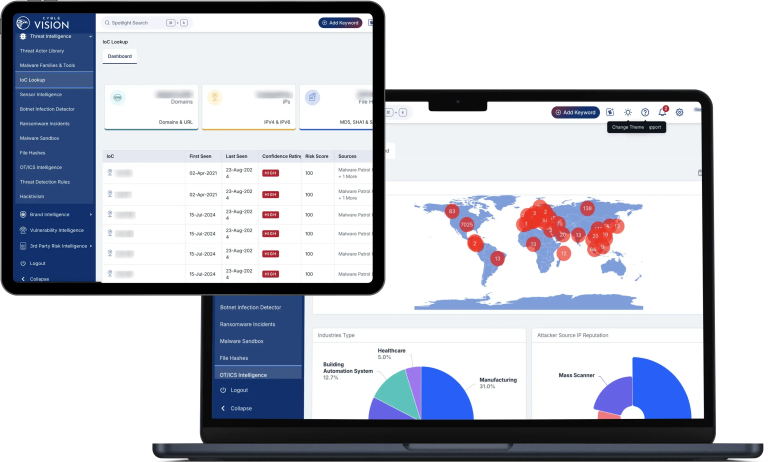
By leveraging Cyble’s threat intelligence platform to monitor external high-risk threats, you can automate operational intelligence processes such as collection, correlation, and analysis. Our platform constantly monitors malicious activities on both the clear and dark web. Moreover, we monitor illicit Telegram channels, which have emerged as a prominent communication platform for threat actors. Our automation streamlines your team’s efforts, ultimately reducing the time and costs of gathering information.
Cyble’s threat intelligence platform offers seamless integrations, allowing your team to integrate threat intelligence monitoring into their existing workflows and communication tools effortlessly. Our advanced AI technology prioritizes threats to minimize noise, empowering your security team to utilize threat intelligence more effectively.
Experience the Cyble threat intelligence platform with a free trial and get started in just a few minutes.
Discover how we help proactively defend against evolving threats with Gen 3 intelligence. Request a Demo today!