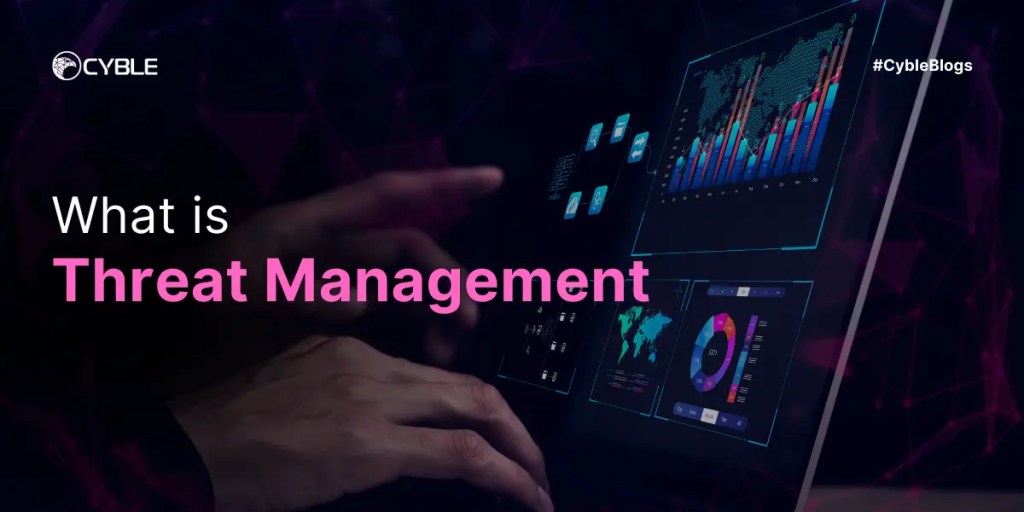
Threat Management is a comprehensive procedure that identifies, prevents, and responds to cyber threats. A robust threat management process is crucial in minimizing the risk of cyberattacks. By proactively addressing potential threats, organizations can enhance their cybersecurity posture and fortify their defenses against evolving digital risks.
How does threat management work?
Many threat management systems adopt the cybersecurity framework defined by the National Institute of Standards and Technology (NIST). NIST offers extensive recommendations to enhance information security and cybersecurity risk management in private sector entities.
Among their resources, the NIST Cybersecurity Framework (NIST CF) incorporates standards and optimal approaches structured around five core functions: identification, protection, detection, response, and recovery.
Identify
The initial cyber threat management phase involves a comprehensive assessment of the organization\’s essential assets and resources. This process enables a deeper understanding of the business environment, supply chain, governance model, and asset management, facilitating the identification of vulnerabilities, threats, and risks to the assets.
Protect
The protect function encompasses deploying security tools, processes, and solutions to protect sensitive information while effectively managing threats and vulnerabilities. This involves the implementation of access controls, identity management, data backup and protection, vulnerability remediation, and comprehensive user training.
Detect
The identification function utilizes a cyber threat platform to consistently monitor systems for potential threats, enabling proactive remediation before a disaster strikes. Detection categories include anomalies and events, continual security monitoring, and processes for early identification.

Respond
The response function ensures a suitable reaction to cyberattacks and other cybersecurity incidents. Categories within this function encompass planning for responses, communication strategies, analysis, mitigation efforts, and continuous improvement.
Recover
Recovery actions put plans into motion for cyber resilience, guaranteeing business continuity in the face of a cyberattack, security breach, or any other cybersecurity incident. Recovery functions involve enhancements in recovery planning and effective communication.
Why is external threat management critical?
Managing cyber threats helps enterprises prevent data breaches and ensure they are prepared to address security risks when such incidents occur. This proactive approach minimizes damages and lowers the overall costs associated with a data breach. Establishing an efficient threat management system is crucial for prompt breach response. This framework enhances collaboration among individuals, processes, and technology, facilitating organizations in detecting and responding to incidents effectively.
What challenges exist in threat management in Cyber Security?
Less visibility:
Lacking visibility poses a challenge for security teams, as they may lack the necessary resources to comprehensively understand their entire threat landscape along with the relevant context. Teams often require visibility into internal data, such as HR user details, cloud information, and databases. Additionally, they need visibility into external data, encompassing threat intelligence, dark web data, and information from social media sources.
Limited Insights and Reporting Challenges:
Security teams may need more insight into crucial Key Performance Indicators (KPIs) and help create progress reports highlighting maturity standards and compliance. This issue is compounded by a need for more integration among the organization\’s point solutions. Aligning security teams with a unified organizational goal becomes challenging when teams are measured against different KPIs, contributing to the complexity of managing cybersecurity threats.
Shortage of Skills:
Security leaders need help recruiting and retaining qualified talent, compounded by a scarcity of skills in the market and burnout among analysts. The difficulty in securing additional staff budgets has led to innovative approaches, such as leveraging talent from cross-functional units like customer support and technical sales. These individuals undergo training to become proficient in their new roles.
What are some examples of common threat types?
Cyber threats can be broadly categorized into intentional threats, encompassing activities like phishing, spyware, malware, viruses, and denial-of-service (DoS) attacks orchestrated by malicious individuals. On the other hand, unintentional threats arise from human errors, such as clicking on harmful links or neglecting to update security software.
What is an example of threat management?
Unified Threat Management (UTM) refers to an information security system within the field of information security (infosec) that serves as a centralized defense against various threats like viruses, worms, spyware, malware, and network attacks. This comprehensive system integrates security, performance, management, and compliance features into a singular setup, streamlining the task for administrators in network management.
What\’s the difference between a threat, risk, and vulnerability?
Vulnerability refers to flaws in the design, implementation, or operation and management of an asset that a threat could exploit.
Threat: A threat is the possibility for a threat agent to take advantage of a vulnerability.
Risk: Risk is the likelihood of experiencing a loss when the threats occur.
What are some effective ways to detect threats?
Signature-based detection:
Signature-based detection utilizes predefined patterns or signatures of known threats to identify and alert against them. While effective for recognized threats, it must match signatures to avoid unknown or evolving threats. Modern malware solutions employ advanced technologies such as behavior analysis, machine learning, sandboxing, and threat intelligence to detect and block threats, surpassing the limitations of signature-based approaches.
Indicator-based detection:
Indicator-based detection categorizes files or activity as secure or insecure using predefined indicators. Indicators of compromise (IOCs) are rules guiding this detection, serving as digital clues for malicious activity. Combining IOCs with other detection methods enhances effectiveness. Examples of IOCs include location irregularities, anomalies in Domain Name System (DNS) requests, high volumes of requests for a specific file, and non-human web traffic behavior.
Modeling-based detection:
Modeling-based detection establishes a baseline using mathematical models to detect deviations over time. While effective against unknown threats, continuous tuning is necessary.
Threat intelligence:
A platform for Threat Intelligence, such as Cyble Vision, consistently collects and examines worldwide data to identify emerging threats. This approach swiftly detects abnormal behaviors or Indicators of Compromise (IOCs) by comparing current network activity to historical and global patterns. For instance, the surveillance of unusual surges in network traffic across different regions can expose coordinated Distributed Denial of Service (DDoS) attacks or widespread malware outbreaks.
Advantages and Disadvantages of Threat Management
Threat management is a powerful resource for individuals and companies looking to mitigate cyber threats. However, it comes with its own set of advantages and disadvantages, including improved threat visibility and response capabilities, but also challenges related to complexity, resource allocation, and potential for alert fatigue.
Advantages of Threat Management
- Proactive Threat Detection: Helps identify threats before they can cause damage, reducing response times and minimizing impact.
- Centralized Visibility: Consolidates threat data from multiple sources for a unified view of the security posture across systems and networks.
- Efficient Incident Response: Streamlines detection, analysis, and mitigation, allowing faster and more coordinated responses to security incidents.
- Risk Reduction: Enhances the ability to detect vulnerabilities and prevent exploitation, thus lowering overall organizational risk.
- Regulatory Compliance Support: Helps organizations meet industry standards (e.g., GDPR, HIPAA, ISO 27001) by maintaining thorough monitoring and response mechanisms.
Disadvantages of Threat Management
- High Cost of Implementation: Requires significant investment in tools, personnel, and ongoing maintenance.
- Complexity in Integration: Can be difficult to integrate with legacy systems or across diverse environments.
- Alert Fatigue: Generates a large volume of alerts, many of which may be false positives, leading to analyst burnout and missed threats.
- Skilled Personnel Requirement: Demands cybersecurity expertise, which may be hard to source and retain, especially for small organizations.
- Overdependence on Tools: Relying too heavily on automation or specific platforms can result in gaps if the tools fail or are improperly configured.
FAQs About Threat Management
What is the Dark Web and how does it work?
The Dark Web is a hidden part of the internet, not indexed by traditional search engines, where users can browse anonymously. It operates using special software, such as Tor, to conceal user identities and activities.
How do you access the Dark Web?
To access the Dark Web, users typically use a Tor browser or other privacy-focused tools that allow access to .onion websites, which are not available on regular search engines.
What are the risks of browsing the Dark Web?
Users may encounter cybercriminals, fall victim to phishing scams, or inadvertently download malicious software.
What is the difference between the Deep Web and the Dark Web?
The Deep Web refers to non-indexed content like academic databases, while the Dark Web is a small portion of the Deep Web that requires special browsers for access and often hosts illicit activities.
Why do people use the Dark Web?
It’s used for anonymity, accessing censored content, or conducting illegal activities like trading stolen data.
Can you buy illegal things on the Dark Web?
Yes, but engaging in such activities is illegal and poses severe risks.
What is security threat management?
Security threat management involves identifying, assessing, and responding to potential security risks to protect an organization’s assets and systems.
How cybersecurity threat management Helps firms?
Cybersecurity threat management helps firms by identifying and addressing potential security risks, minimizing vulnerabilities, and ensuring data protection to maintain business continuity.
what is threat management in cyber security?
Threat management in cybersecurity involves identifying, assessing, and mitigating potential cyber threats to protect systems, networks, and data from attacks or breaches.
What are some threat management examples?
Examples of threat management include using firewalls to block unauthorized access, deploying antivirus software to detect malware, and conducting regular vulnerability assessments to identify weaknesses.
What is cyber security threat management?
Cybersecurity threat management involves identifying, assessing, and mitigating potential security threats to protect an organization’s data and systems from cyberattacks.
What is a threat management framework?
A threat management framework is a structured approach used to identify, assess, and prioritize security threats, enabling organizations to implement effective strategies for mitigation and response.
How are cyber security and threat management Related?
Cybersecurity and threat management are closely related as threat management is a key component of cybersecurity. It involves identifying, assessing, and responding to potential threats, ensuring proactive protection of systems and data.
What are some management threat examples?
Some threat management examples include detecting malware, preventing unauthorized access, addressing phishing attacks, responding to data breaches, and securing networks against DDoS attacks.
What is strategic threat management?
Strategic threat management involves identifying, assessing, and prioritizing potential cyber threats to an organization and implementing long-term plans to mitigate and manage those risks effectively.